

The formulation of the 10-year Solid Waste Management Plan for Dinalupihan, Bataan, by Filipinos for Nature, Inc. (FFN) marks a significant step towards addressing the growing waste management challenges in the municipality. The primary goal of this project was to develop a comprehensive, sustainable plan that would help improve waste management systems, minimize environmental impact, and foster community participation. Over the course of several months, FFN worked closely with the local government, barangay leaders, and community members to create a plan that truly reflects the needs and aspirations of Dinalupihan.
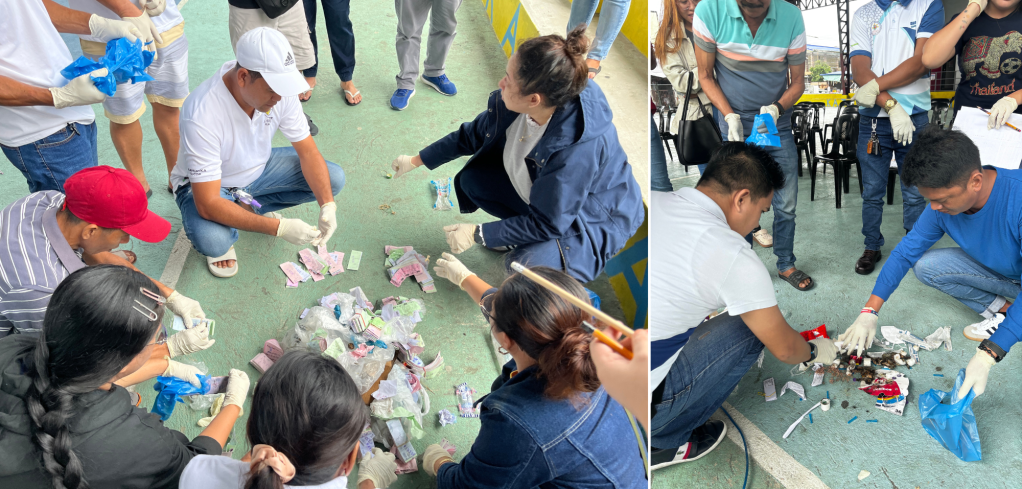
At the heart of this project was a collaborative approach. The team held initial stakeholder meetings with local officials and environmental advocates to better understand the challenges facing Dinalupihan in terms of waste management. These conversations laid the foundation for a plan that would be both practical and effective. One of the key activities was a waste characterization study that involved a detailed audit of the waste being generated in the area. This included surveys, waste sampling, and field visits to various barangays to understand the volume and types of waste being produced. The results revealed some common trends—such as the large percentage of organic waste—but also highlighted the need for improved waste segregation and better disposal methods.

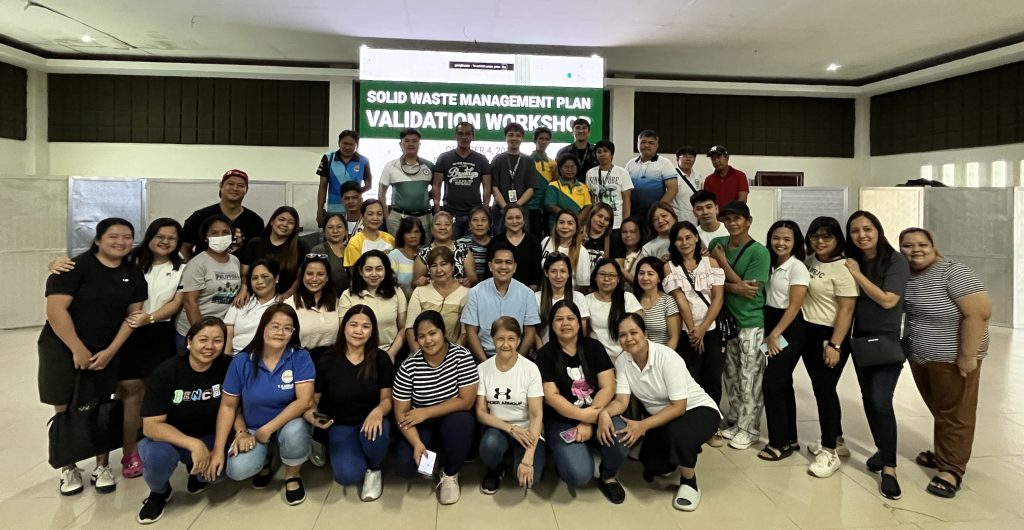
Recognizing the importance of community involvement, FFN organized a series of workshops and consultations. These sessions were designed to engage residents, raise awareness about the importance of waste segregation, and encourage them to adopt sustainable waste practices. The feedback gathered during these workshops was invaluable, providing insights into local concerns and ensuring that the final plan would be relevant to the people who would ultimately be affected by it.
The next step was drafting the 10-year solid waste management plan. This involved putting together all the findings from the waste audit and the community consultations, as well as expert input, to create a plan that could guide Dinalupihan toward a more sustainable future. The plan includes strategies for waste minimization, such as expanding composting programs and encouraging recycling. It also outlines the necessary infrastructure improvements, such as increasing the number of waste collection points and establishing material recovery facilities (MRFs) to help process recyclables. Furthermore, the plan takes into account the financial and logistical needs, with proposed budgets and resource allocation plans to ensure its sustainability.
After drafting the plan, the team presented the final version to the municipal government and relevant environmental bodies. The presentation was a culmination of months of work, offering a clear roadmap for waste management in Dinalupihan over the next decade. It was met with enthusiasm, particularly from community leaders, who expressed strong support for the proposed changes. This support was further demonstrated by the over 300 residents who participated in the workshops and consultations, offering valuable perspectives and ideas for improvement. The community’s involvement was crucial in shaping the plan, ensuring that it was not only feasible but also embraced by those it was intended to benefit.
While the process was generally successful, there were some challenges along the way. One of the main difficulties was securing the necessary funding for the plan’s implementation. Despite these challenges, the project team is optimistic about finding sustainable funding sources through government grants and partnerships with the private sector. Another obstacle was overcoming resistance in some barangays, particularly those in more remote areas, where traditional waste disposal methods were already ingrained. To address this, FFN plans to continue outreach efforts, including educational programs tailored to different segments of the community.
Looking forward, the next steps involve finalizing the plan and moving into the implementation phase. The pilot programs will be launched in selected barangays to test the waste segregation and recycling initiatives. Community education campaigns will be ramped up, focusing on schools, local businesses, and households, to ensure that the message of sustainable waste management reaches everyone. Ongoing monitoring and evaluation will be crucial to track the progress of the plan and make adjustments as needed.
In conclusion, the creation of the 10-year Solid Waste Management Plan for Dinalupihan is an important milestone in the municipality’s journey toward a cleaner, healthier future. Filipinos for Nature, Inc. is committed to supporting the local community in bringing this plan to life. Through continued collaboration, education, and active participation, the municipality will take significant steps toward more effective waste management and a cleaner environment for generations to come.
By: Jodell R.

 FILIPINOS FOR NATURE