
Photo courtesy of Unsplash
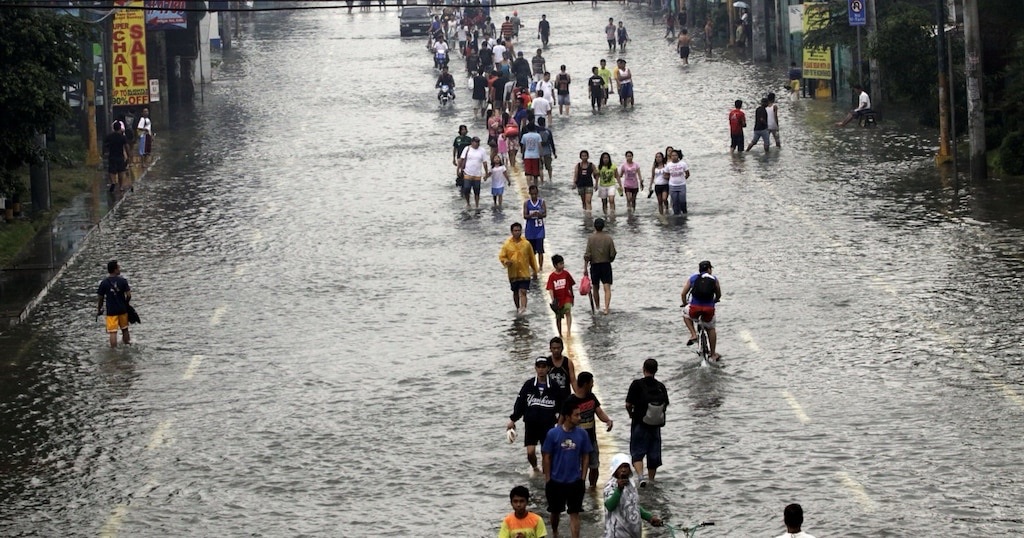
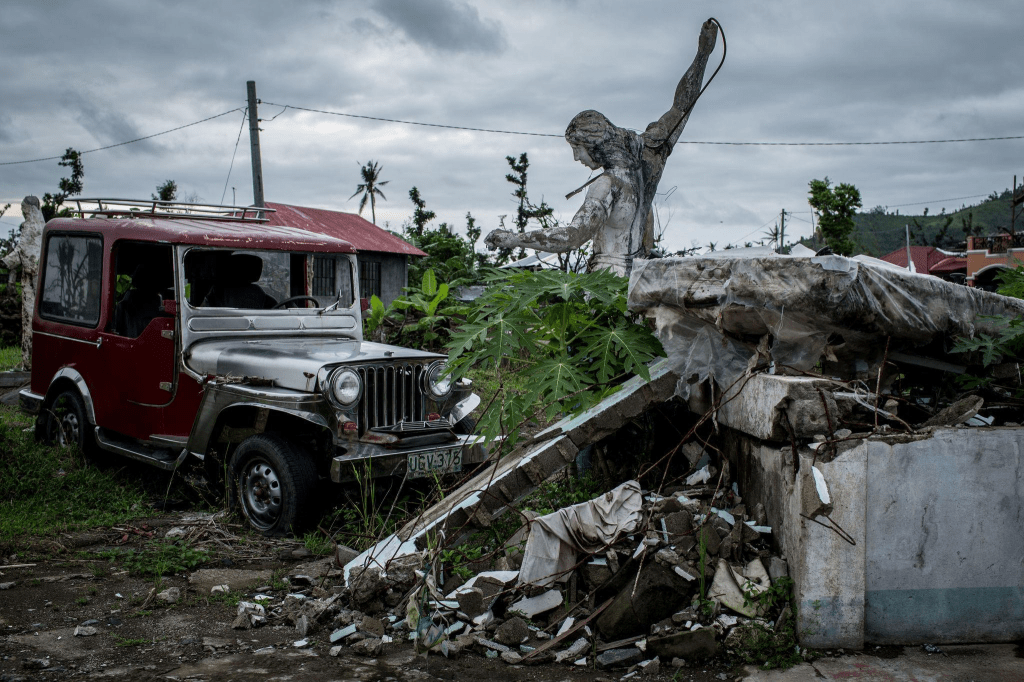
Communities are staggering from back-to-back storms as the scale of destruction from Tropical Storm Ramil becomes clear. Ramil, which has just exited the Philippine Area of Responsibility, has been linked to significant damage and fatalities in the region, displacing 133,196 people (37,825 families) across Cagayan Valley, Central Luzon, Western Visayas, and Eastern Visayas, according to the NDRRMC. This latest disaster follows the path of Severe Tropical Storm Opong, which just three weeks ago caused a combined ₱833.3 million in damage, including ₱794.8 million to infrastructure and ₱38.5 million in agricultural losses.
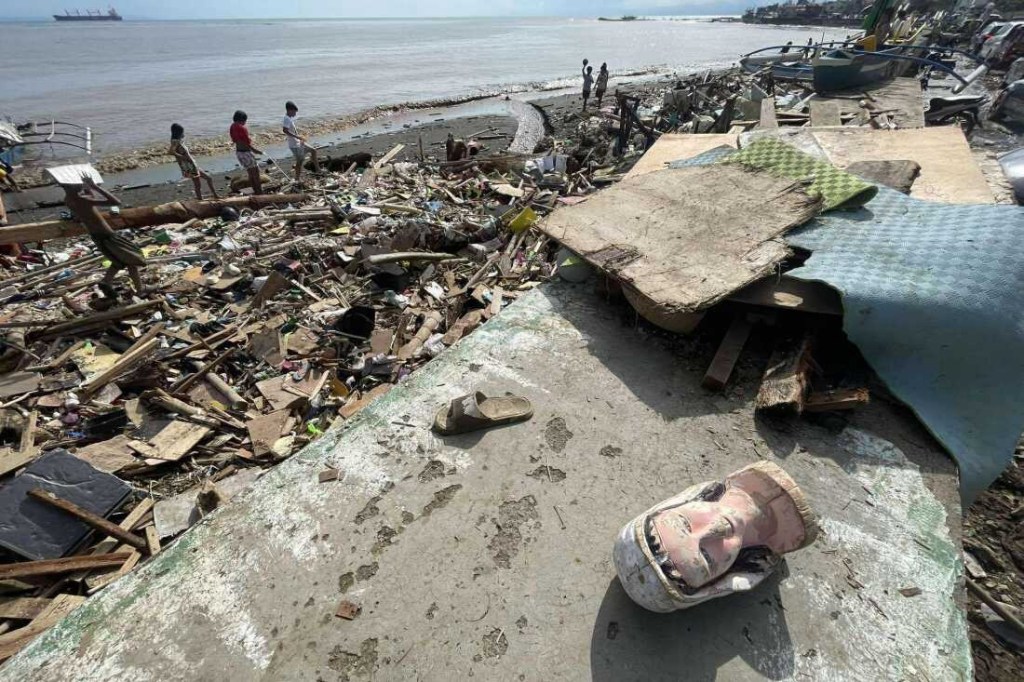
Photo courtesy of Unsplash
However, the catastrophic impact of these successive storms is compounded by a devastating institutional failure. A massive corruption case involving billions of pesos intended for flood control and mitigation projects is severely compromising the critical need for climate-resilient infrastructure. Widespread problems in projects overseen by the Department of Public Works and Highways (DPWH) have been revealed by recent investigations conducted by the Commission on Audit (COA) and the Senate Blue Ribbon Committee.
This critical institutional failure was laid bare during the subsequent Senate investigation. The inquiry into the DPWH flood control program uncovered massive anomalies, with senators labeling the misuse of funds intended for climate adaptation as a “grand robbery.” During the hearing, DPWH officials admitted receiving reports of “ghost projects,” including non-existent infrastructure in Bulacan, specifically in the severely flood-prone towns of Calumpit, Hagonoy, and Malolos. The alleged corruption is directly linked to contractor Wawao Builders, a firm reportedly awarded ₱9 billion worth of projects nationwide, with a staggering ₱5.9 billion of these contracts executed in Bulacan alone.
Ultimately, the Senate concluded that this corruption has compromised the country’s defense against intensifying climate impacts. Senator Erwin Tulfo declared the entire ₱545.6 billion flood control program a “grand robbery of our nation,” pointing out that the funds meant to build resilience are being stolen, leaving communities vulnerable to the very disasters they were supposed to mitigate.
In stark contrast to these devastating revelations, a positive effort to enforce accountability has gained global recognition. Amid these recent issues, a project by the Climate Change Commission Project IMPACT (Inclusive Monitoring and Participation for Accountability in Climate Transformation) is aimed at strengthening climate finance transparency, responsibility, and accountability. It recently won an award under the Climate and Environment theme at the 2025 Open Gov Challenge in Spain, signaling a committed shift toward better governance.
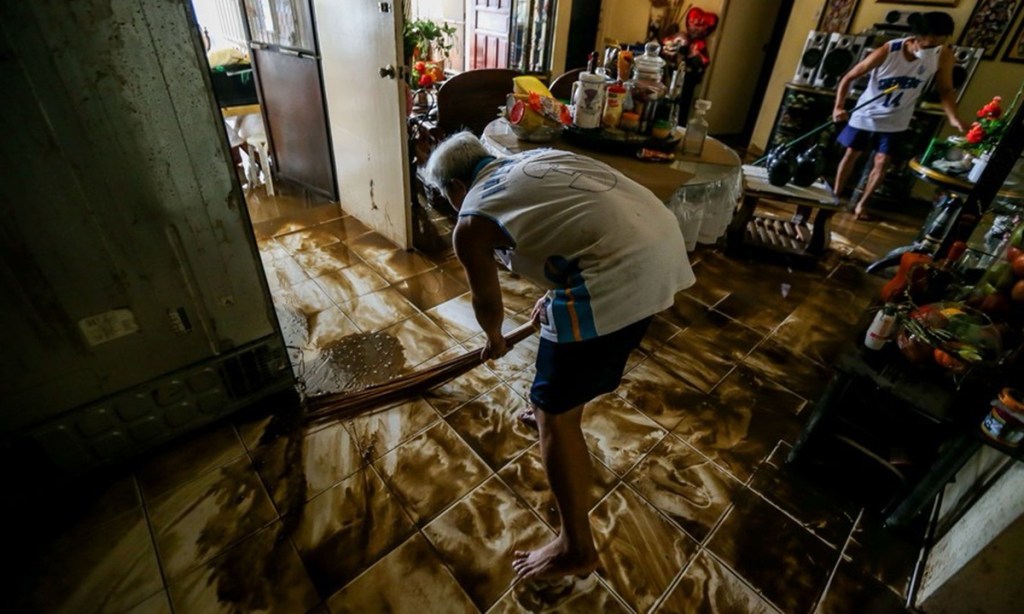
Despite the dual challenges of escalating climate threats and devastating internal corruption, the narrative of the Philippines is ultimately one of resilience and transformation. The recognition of Project IMPACT on the global stage is a testament to the sincere efforts of dedicated public servants and civil society to enforce accountability and ensure climate funds reach their intended beneficiaries. The Filipino people, known globally for their ability to rebuild and recover after every disaster, are now channeling that same spirit into demanding better governance and genuinely resilient infrastructure. Moving forward, as greater transparency takes hold and the fight against corruption intensifies, the nation’s capacity to adapt will inevitably strengthen. The Philippines is not only fighting a battle against nature’s fury but is undergoing a crucial reckoning with its own governance a reckoning that promises to forge a more climate-secure, accountable, and ultimately stronger nation.
About the Author
Jacqueline Kennedy A. Gener is a college student who wrote this article as part of an academic requirement. The article discusses climate change impacts in the Philippines, focusing on disaster response, governance, and accountability.
References
United Nations Framework Convention on Climate Change. (2024). National adaptation plans 2024(FCCC/SBI/2023/18). UNFCCC.
Greenpeace Philippines. (2025, September 8). Flood control corruption an obscene plunder of much-needed climate funds – Greenpeace.
https://www.greenpeace.org/philippines/press/68522/flood-control-corruption-an-obscene-plunder-of-much-needed-climate-funds/
Bacelonia, W. (2025, August 19). Senate probe on flood control bares ghost projects, favoritism. Philippine News Agency.
https://www.pna.gov.ph/articles/1256868
Philippine News Agency. (2025, October 21). Latest news [News Wire].
https://www.pna.gov.ph/articles/



 FILIPINOS FOR NATURE