
April 29, 2025 – Quezon City, Philippines
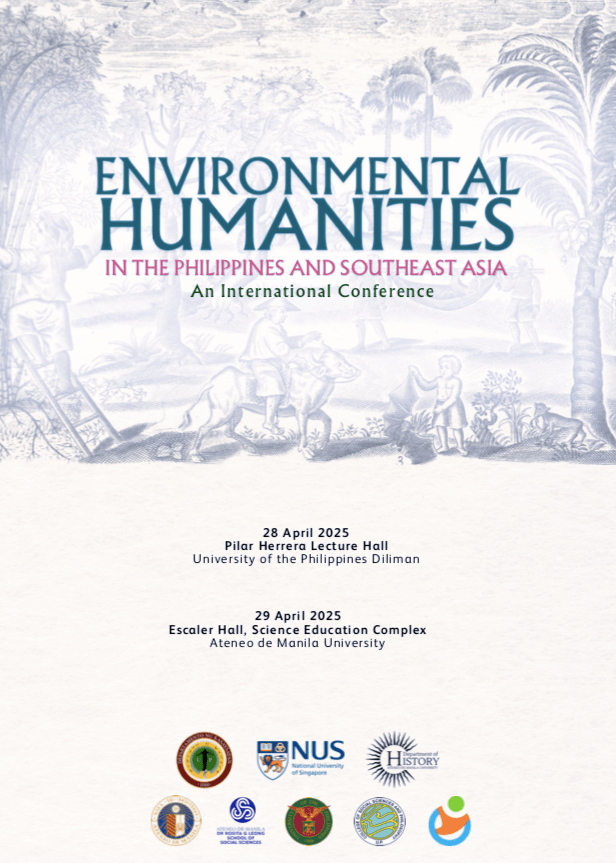
Members of Filipinos for Nature (FFN) had the privilege of joining scholars, students, and environmental advocates at the Environmental Humanities in the Philippines and Southeast Asia Conference — a landmark international gathering held at UP Diliman and Ateneo de Manila University from April 28–29, 2025.

Jointly convened by leading universities across the region, the conference explored the intersections of ecology, history, science, and society.
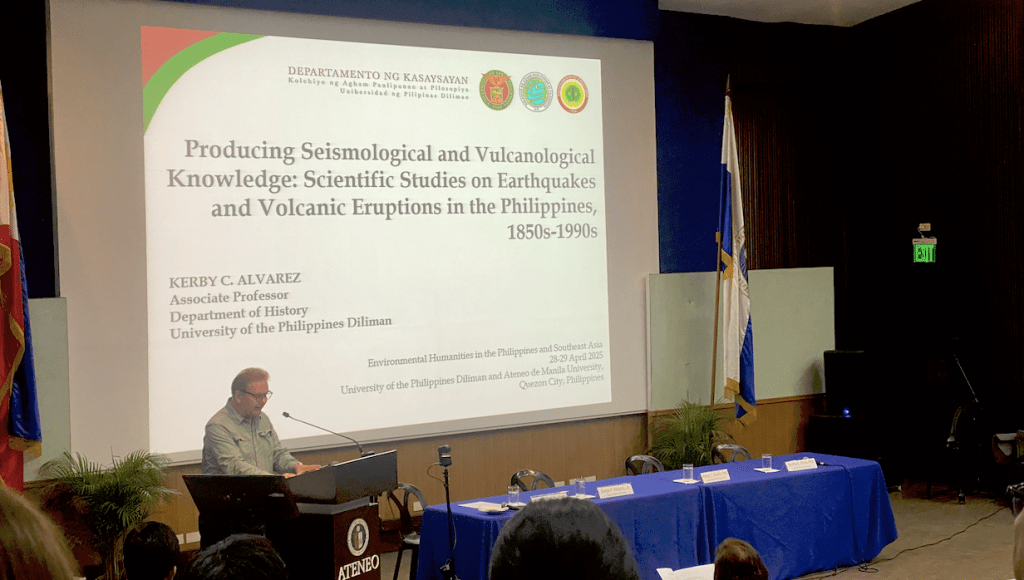
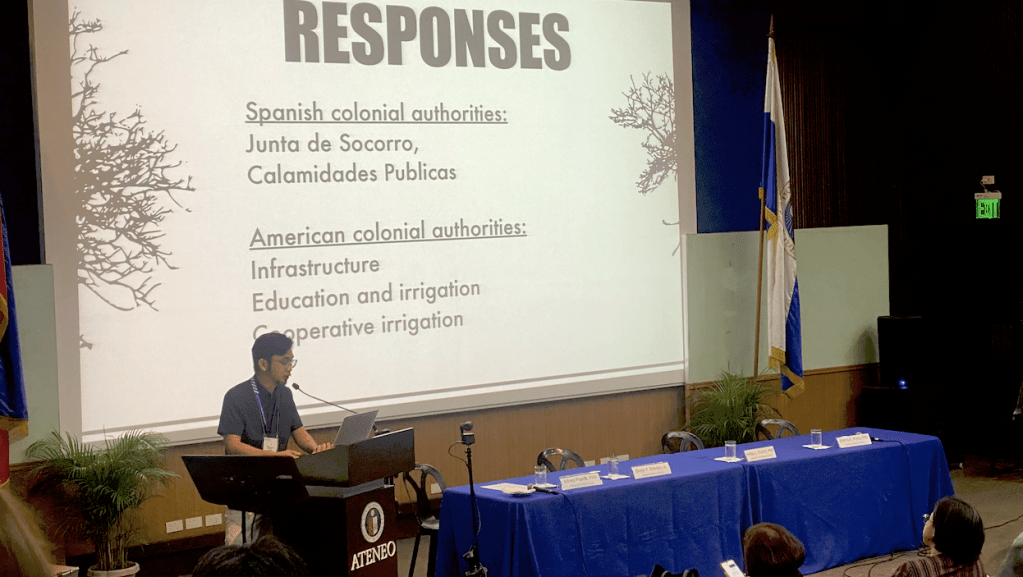
It brought together 24 paper presentations across diverse themes — from coastal knowledge systems and entomology in Filipino culture, to climate justice and the resistance of indigenous communities in the face of environmental disruption.
Why This Matters to FFN
As a community rooted in care for both people and the planet, FFN found inspiration in the conference’s urgent call for vernacular knowledge, interdisciplinary research, and collaborative action. The sessions affirmed what we’ve long known: that the stories of our forests, coasts, and rivers are also the stories of our people.
We were especially drawn to panels that echoed our core values:
- “Mga Kwento sa Hibasanan” by Dawn Satumbaga and team explored local ecological knowledge among coastal gleaners in Quezon — a theme that deeply resonated with FFN’s work in community-based marine awareness.
- “Mudskippers as Conservation Emblems” from researchers at NUS reframed public perceptions of mangrove ecosystems, aligning with our mission to uplift overlooked species and habitats.
- In “Lakad, Lapit”, Prof. Remmon Barbaza beautifully reminded us that ecological justice begins with a return to slowness, proximity, and walking with care — something we strive to embody in our own events and nature immersions.
Learning Across Borders
What stood out most was the transnational conversation unfolding: Indonesian malaria ecologies, Vietnamese pig-raising, Sulawesi Lake conservation — all were part of a growing Southeast Asian environmental humanities movement that sees nature as a shared, storied, and political space.
In attending, FFN reaffirmed our belief that Filipino environmental work is part of a much bigger regional current — and that our local efforts matter more than ever.
What’s Next for Us
Inspired by the conference’s spirit of inter-disciplinarity and action, FFN will be launching new workshops this summer that bridge science and storytelling — from eco-crafting to community nature walks grounded in traditional ecological knowledge.

We left the Environmental Humanities Conference with more than notes and contacts. We left with clarity: the path forward is both critical and creative. And we are not walking it alone.
 FILIPINOS FOR NATURE