
Bees are among the most vital creatures in the Philippines, contributing significantly to our ecosystems and agriculture. These industrious pollinators play a crucial role in the reproduction of many plants, including numerous crops that feed our communities. However, bees are facing serious threats that endanger their populations and, consequently, our food supply. Let’s explore why bees are essential in the Philippines and how we can help protect them.
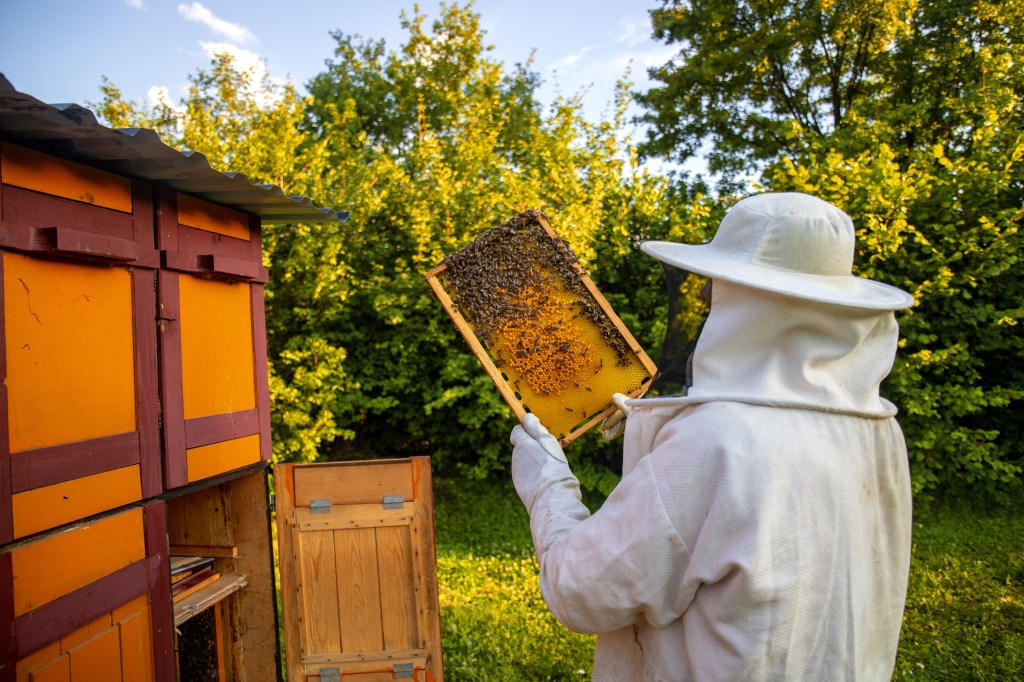
Why Bees Matter
In the Philippines, bees are responsible for pollinating around 80% of flowering plants, including many fruits, vegetables, and nuts that are essential to our diet. Crops such as mangoes, bananas, and coconuts rely on bees for successful pollination. Without these pollinators, food production would decline, leading to food insecurity and a loss of biodiversity in our rich ecosystems.
The Threats to Bees
Despite their importance, bee populations in the Philippines are declining due to several factors:
Habitat Loss: Urbanization, agricultural expansion, and deforestation are destroying the natural habitats that bees rely on for food and nesting sites.

Photo by Eric Guerin
Pesticide Use: The use of pesticides in farming can harm bees, either directly through exposure or indirectly by reducing their food sources. This is particularly concerning in areas where chemical farming is prevalent.
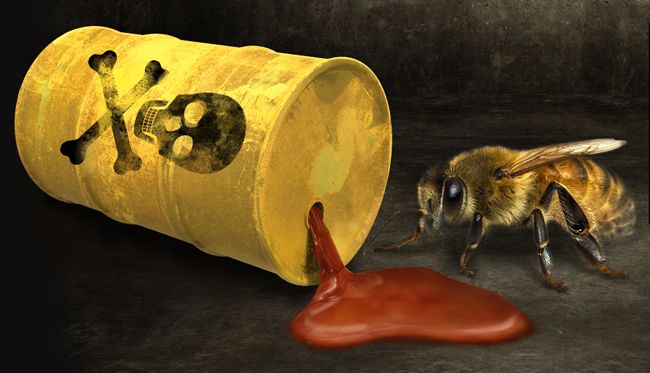
Photo by Ecowatch
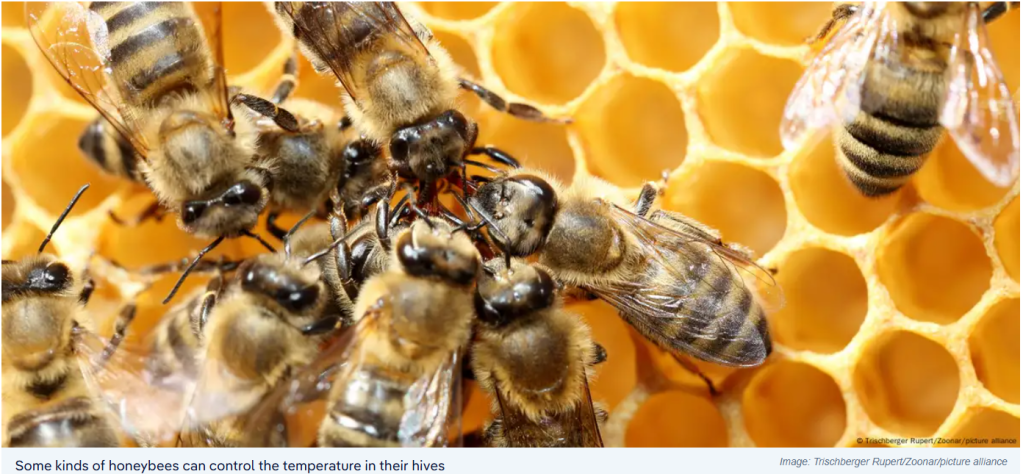
Climate Change: Changes in climate affect the timing of flowering plants and disrupt bee life cycles, making it harder for them to find food. Extreme weather events also threaten their habitats.
Diseases and Parasites: Bees in the Philippines are susceptible to various diseases and parasites, including Varroa mites, which can weaken their colonies and impact honey production.
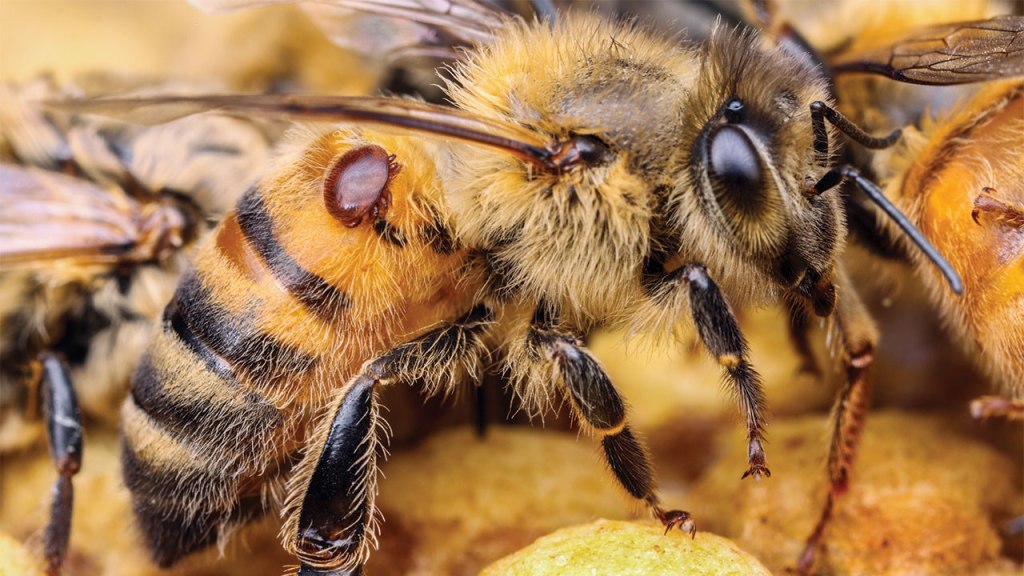
Photo by Alex Wild
How to Protect Bees
Everyone can contribute to the protection of our buzzing friends! Here are some simple steps you can take in the Philippines:
Create Bee-Friendly Habitats:
- Plant a variety of native flowers that bloom at different times of the year to provide a continuous food source for bees. Flowers like Philippine wildflowers, sunflowers, and native fruit trees attract various bee species.
Avoid Pesticides:
- Opt for natural pest control methods to keep your garden healthy without harming bees. Promote organic farming practices to reduce chemical exposure in agricultural areas.
Support Local Beekeepers:
- Purchase honey and other bee products from local producers. Supporting sustainable beekeeping practices helps maintain healthy bee populations and promotes biodiversity.
Educate and Advocate:
- Share information about the importance of bees with your friends, family, and community. Advocate for policies that protect bee habitats and promote sustainable agricultural practices in your local area.
Participate in Community Initiatives:
- Join local conservation groups or initiatives focused on protecting bees. Participate in community planting events or educational programs to raise awareness about the importance of bees.
Conclusion
Bees are essential for a healthy environment and a stable food supply in the Philippines. By understanding the challenges they face and taking action to protect them, we can help ensure a sustainable future for ourselves and our ecosystems. Let’s work together to safeguard our buzzing friends and keep our environment thriving!
Disclaimer
The information provided is correct to the best of our knowledge, we encourage readers to conduct further research and consult experts in the field for more comprehensive insights.


 FILIPINOS FOR NATURE