
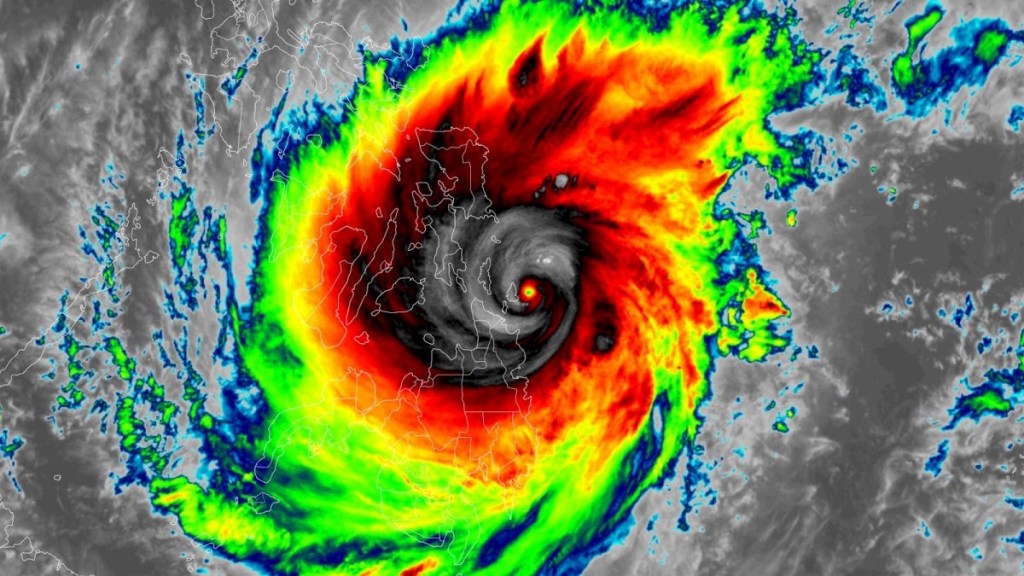
In the face of increasingly destructive typhoons, floods, and extreme weather events, the Filipino public deserves more than entertainment from those entrusted with our safety.
They deserve clarity.
They deserve urgency.
They deserve respect.
Yet time and again, during moments of heightened risk, we see a pattern: witty graphics, pun-laced announcements, and half-hearted public advisories that treat disaster as an opportunity for viral content.
Let’s be honest. This is not clever. It’s careless.
It sends the message that crises are something we can laugh our way through. That a well-timed joke or trending meme is somehow enough to substitute for preparedness. That the people affected, often the poor, the working class, the marginalized can wait, can figure it out, can fend for themselves.
But disaster risk is not a branding opportunity. Public communication is not a comedy skit.
Filipinos deserve better than to be reduced to a punchline.
Romanticizing Resilience Masking Neglect
We hear it all the time: how Filipinos are “resilient.” But we must ask, why do we need to be all the time?
For decades, we’ve told ourselves and each other that we are resilient. That we are strong. That we are used to this.
But what has that story really cost us?
Every time we glorify resilience, we make space for neglect.
We excuse weak systems. We lower the bar for what leadership should be. We silence anger that is justified and overdue. We reward survival rather than question why survival is still necessary in the first place.
Because what is resilience, in this context, if not the ability to keep going without real protection?
What is resilience but having no other choice? We have to stop treating this as something noble.
It is not noble to be left on your own.
It is not brave to patch things up again and again while the root problems are ignored. And it is not heroic to carry the weight of failure that was never yours to carry in the first place.
Filipinos are tired of being congratulated for surviving.
We are ready to demand more.
We are ready for systems that reduce risk before the storm hits, not just band-aid responses after the damage is done.
Words Are Infrastructure, Too
The way we communicate during a disaster is a form of infrastructure. It can save lives, or put them at risk.
Humor has its place in Filipino culture. We know how to find light in the darkest moments. But when that light comes from institutions meant to protect us, it stops being humor. It becomes deflection.
People in vulnerable communities don’t have the luxury of laughing off danger. When announcements are vague or humorous, they’re forced to interpret the risk on their own.
Should they stay? Should they evacuate? Is it really that bad? Will anyone come?
The tone we set affects behavior. And behavior affects lives.
Leadership means using words with care. It means recognizing that people rely on institutions not just for updates, but for direction, reassurance, and trust.
The Standard We Must Set
In times of crisis, people don’t look to institutions for entertainment. They look for guidance. Reassurance. Clarity.
But lately, we’ve seen a troubling trend: public announcements that prioritize virality over responsibility, and humor over empathy.
This is not the moment for memes. This is the moment for principled, people-centered communication.
Yes, humor can be humanizing. But during a disaster, when homes are flooded, when work is suspended without pay, when families are displaced, it can just as easily distract, confuse, and minimize people’s pain.
Public institutions must understand the power and responsibility of the tone they set. When those in leadership make light of crisis, it signals to others that it’s okay to do the same. When the top lowers the bar, the whole system follows.
We need to shift our mindset from “going viral” to building trust.
We need public communication that:
- Delivers timely and accurate information
- Centers empathy instead of entertainment
- Respects the lived experiences of those most affected
- Acknowledges inequality and prioritizes the vulnerable
- Rejects romanticized resilience in favor of real accountability
- Builds a culture of preparedness, not passive reaction
This isn’t just about announcements. It’s about the kind of country we want to be.
Are we here to laugh our way through every crisis or to lead people through it?
We don’t need posts that perform. We need posts that protect. We don’t need to be entertained. We need to be informed. We need to be cared for.
We need messaging that reflects the gravity of the moment and the dignity of the people it speaks to.
Redefining Resilience
At Filipinos for Nature, we believe in a different kind of resilience, not the kind that expects people to carry the burden of crisis alone, but one built through systems, solidarity, and support.
True resilience is built before the flood, not after.
It’s built through clear, serious warnings.
Through practiced, inclusive protocols.
Through communication that respects every person’s right to safety and dignity.
If we truly want a country that can weather any storm, we must stop laughing off our vulnerabilities and start building with intention, compassion, and care.
We don’t need jokes. We need justice. We need honesty. We need leadership that shows up, speaks up, …and steps up.
Especially when it matters most.
 FILIPINOS FOR NATURE