
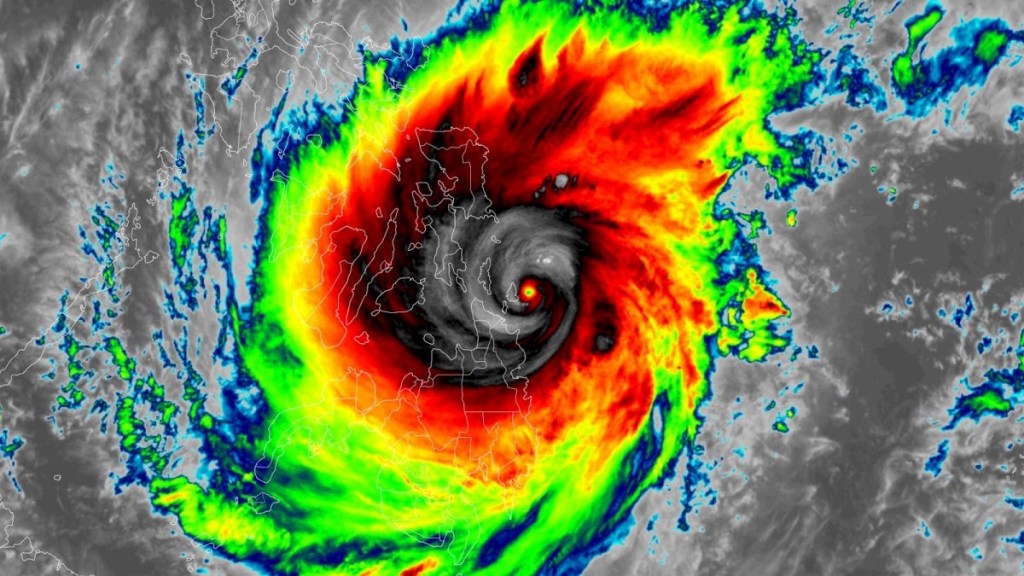
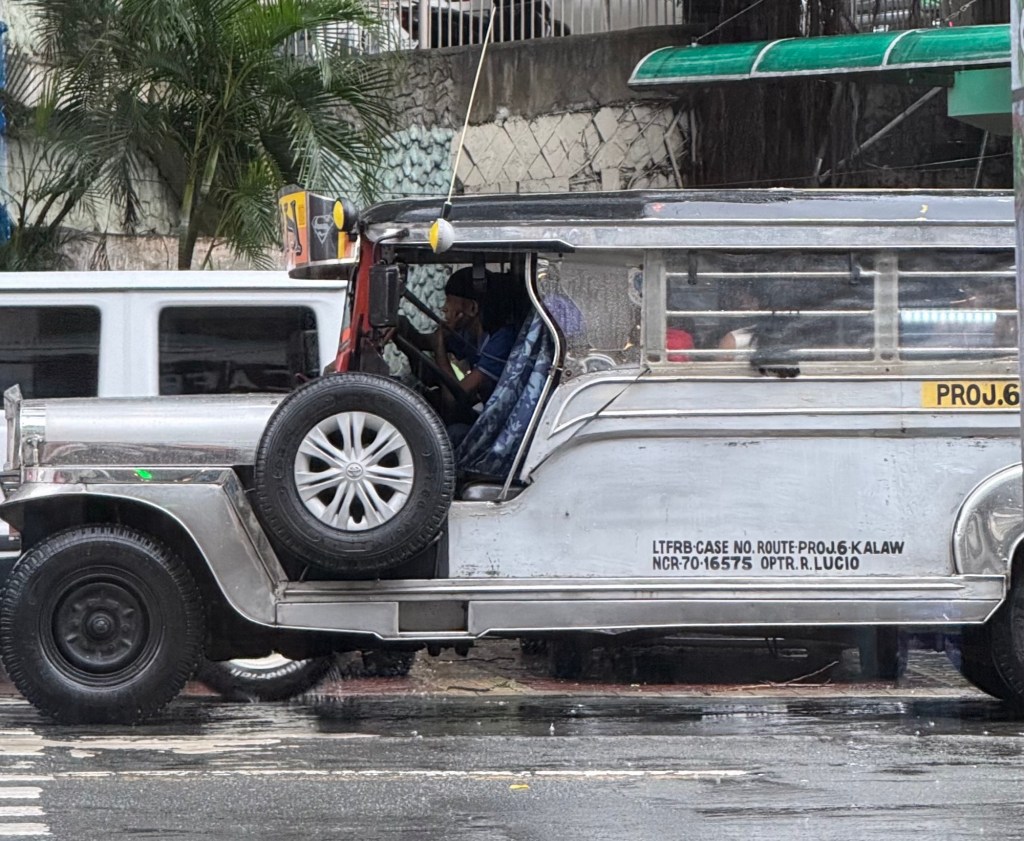
In the Philippines, flooding has become a tragic rhythm it is predictable, recurring, and disproportionately borne by the same communities year after year. From the rooftops of submerged barangays to the paddies of rural farmers watching crops rot underwater, the impacts of floods are impossible to ignore. Yet, our national conversation remains stuck in a narrow frame: rainfall amounts, clogged drains, and failed pumps.
It’s time to see flooding for what it truly is , a systemic crisis, not just a hydrological one.
At Filipinos for Nature, our newly released research paper, “Reframing Flooding in the Philippines,” argues that floods are not just caused by heavy rain. They are the outcome of governance failures, ecological degradation, and land use decisions that place profit over protection.
Nature Alone Can’t Hold Back the Water
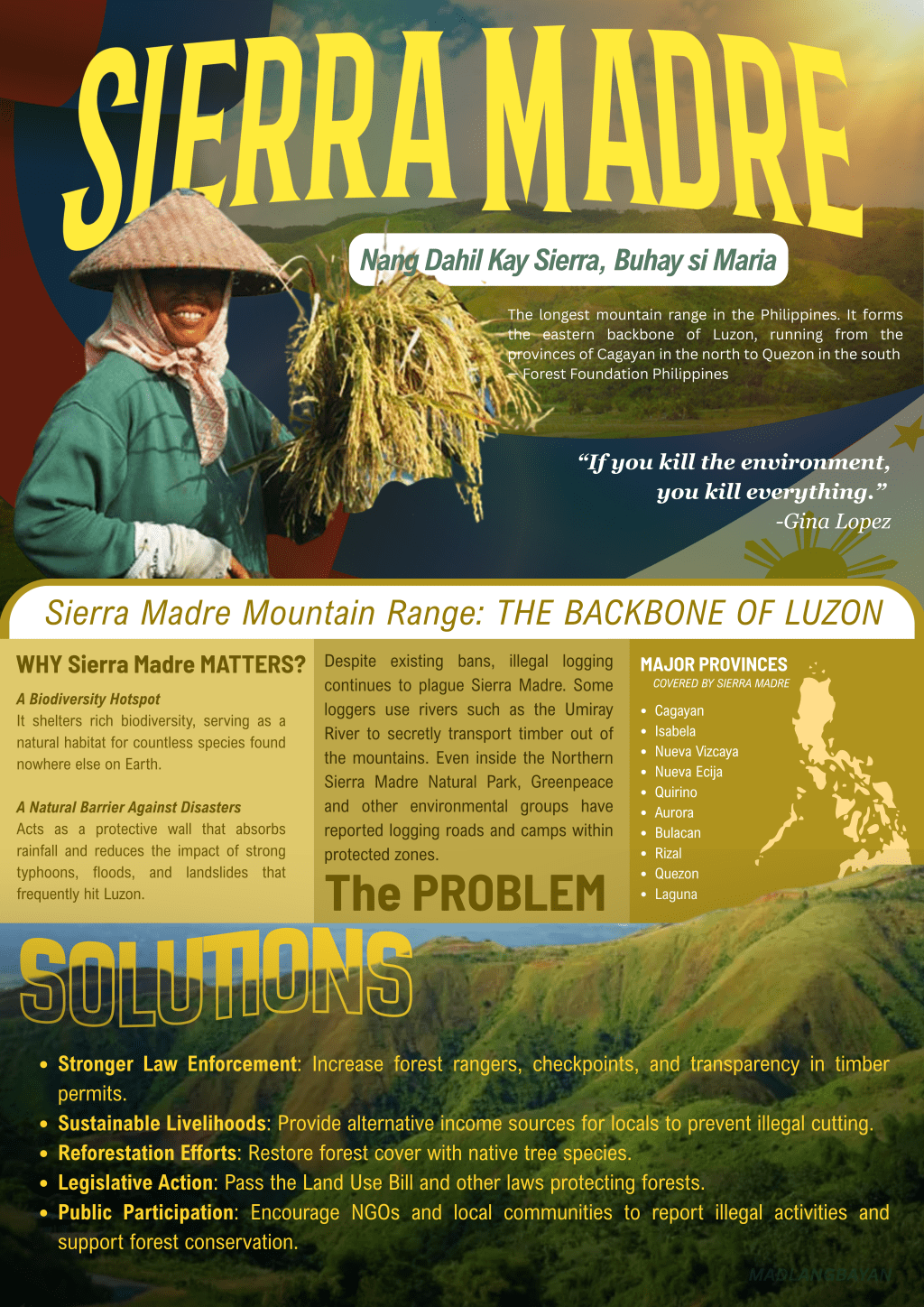
Ecosystems like forests, wetlands, and mangroves once acted as natural buffers. But decades of logging, reclamation, and unregulated land conversion have weakened the land’s ability to absorb water. Floods now move faster, reach farther, and linger longer.
In areas like the Cagayan Valley and Agusan del Sur, upstream deforestation and mining have filled rivers with silt, reducing their capacity to hold water. Meanwhile, in urban centers like Metro Manila, wetlands have been paved over and low-income communities pushed into flood-prone zones.
We are not just fighting water , we are fighting the collapse of ecological defenses.
Governance Is the Hidden Floodgate
Flooding also exposes how institutions fail, or choose to protect certain communities over others. Our research shows how:
- Disaster budgets are skewed toward relief, not prevention.
- Land use plans are outdated or ignored.
- Infrastructure projects are fragmented across agencies and disconnected from ecological realities.
- Politically connected developers build in high-risk zones, while poor families are left to flood repeatedly.
Despite having over a dozen agencies tasked with flood management, the lack of coordination leads to blind spots, duplication, and inaction. Communities, especially those in informal settlements or rural areas, are often excluded from planning processes, even though they are the most affected.
Flooding Reveals Inequality
Floods are not “great equalizers.” They are magnifying glasses showing exactly where governance is weak, where ecological balance has been lost, and where inequality persists. When a barangay floods every year and nothing changes, that’s not misfortune, it’s a design failure.
A Way Forward: Systems Based Solutions
To truly address flooding, we need to think in systems. This means:
- Planning around watersheds, not just political boundaries.
- Investing in nature-based solutions like reforestation and mangrove restoration, not just concrete infrastructure.
- Empowering communities with localized knowledge, early warning systems, and decision-making power.
- Enforcing accountability from zoning violations to budget transparency.
Let’s Change the Conversation
Flooding is not just a problem of nature, it’s a challenge of how we govern, who we prioritize, and whether we are willing to listen to the systems we’ve long ignored.
It’s time to stop asking “How much rain fell?”
And start asking “Why are the same people drowning?”
Read the Full Research Paper:


 FILIPINOS FOR NATURE