
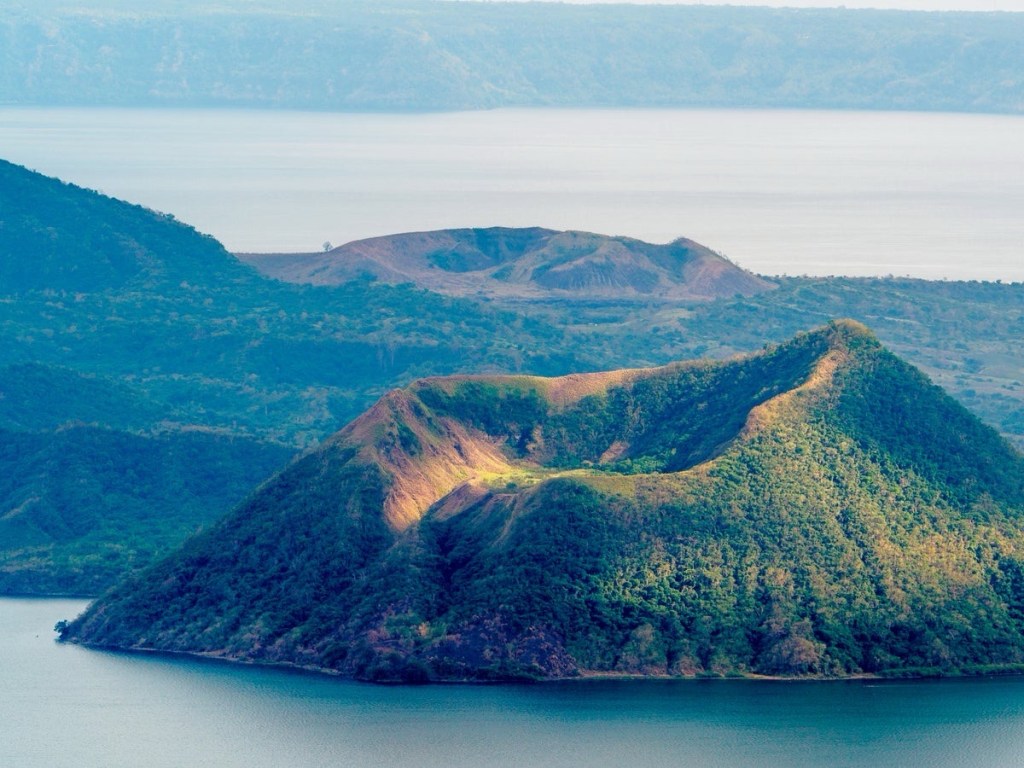
Photo from Wikimedia Commons (CC BY-SA)
The Philippines is a land of wonder, filled with mountains, beaches, and breathtaking natural landscapes. Among these treasures stands Taal Volcano, one of the country’s most fascinating yet dangerous natural landscapes. Located in the province of Batangas, Taal Volcano is known as one of the smallest active volcanoes in the world. It is unique because it is found inside a lake—the breathtaking Taal Lake—and within it lies another small lake inside the main crater. This rare formation has made it one of the most photographed and visited natural sites in the country.
For many years, Taal Volcano has been a symbol of both beauty and danger. Its scenic view attracts tourists, photographers, and nature lovers who want to witness its breathtaking landscape. However, locals know that beneath its calm and peaceful appearance lies a restless force of nature. Throughout history, Taal Volcano has erupted more than 30 times, each eruption leaving a mark on the land and the lives of our fellow Filipinos living nearby.
One of the most memorable eruptions occurred on January 12, 2020. Without much warning, the volcano released a tall column of ash that reached more than 14 kilometers into the sky. The ashfall spread across nearby provinces such as Batangas, Cavite, Laguna, and even reached parts of Metro Manila. Schools and offices were closed, flights were cancelled, and thick ash covered houses, roads, and farmlands. The once-beautiful scenery turned gray and lifeless almost overnight.
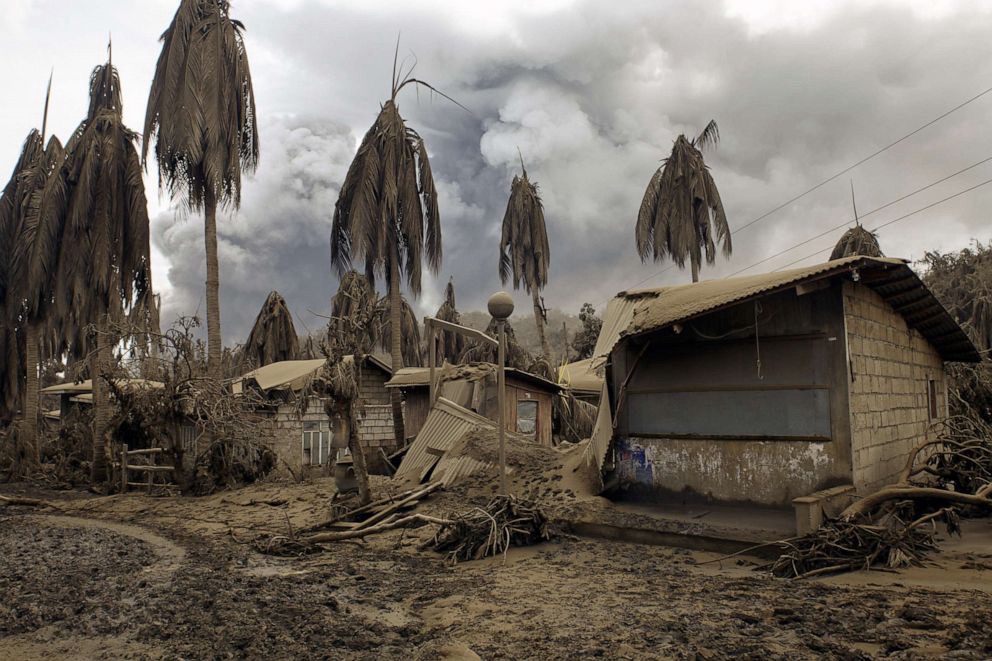
The eruption caused great damage, but it also revealed the strength and compassion of the Filipino people. Many communities, private groups, and government agencies immediately organized relief operations. Volunteers distributed food, clothing, face masks,
and clean water to the evacuees. Doctors and nurses provided medical assistance, while others helped rescue animals trapped in farms. Social media became a platform for sharing information and organizing donations. In the midst of hardship, the spirit of bayanihan; the Filipino value of helping one another shined brightly.
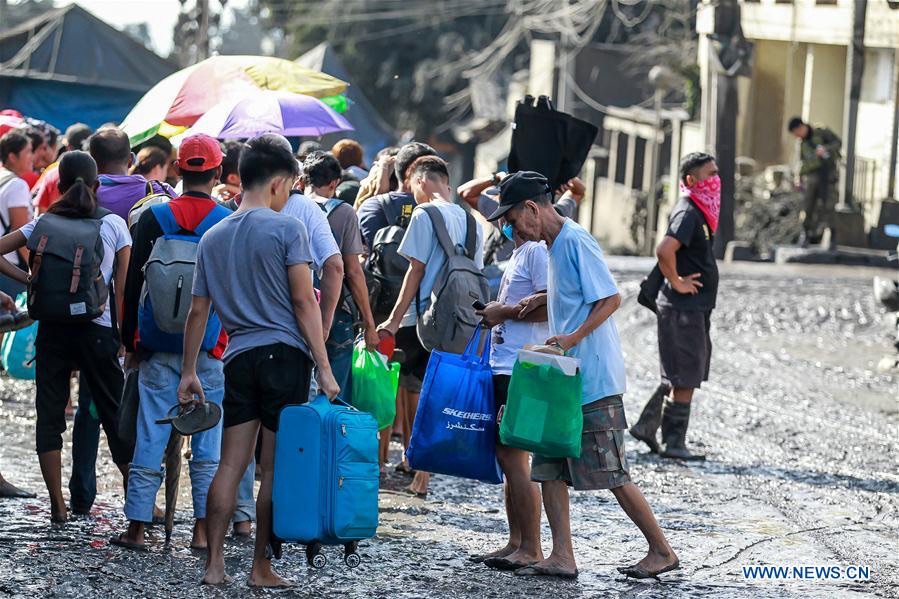
Photo from Wikimedia Commons (CC BY-SA)
Today, Taal Volcano remains under close observation by scientists and authorities. Although it continues to show signs of activity, people around the area are now more prepared and aware of the risks. The volcano stands as both a symbol of nature’s beauty and its strength, reminding us to respect and protect our environment. Through the story of Taal, Filipinos continue to learn that caring for nature and staying prepared can help us live safely and harmoniously with the world around us.
About the Author
Aubielle G. Tubi is a college student whose writing explores nature, disaster awareness, and Filipino resilience through lived and historical experiences.

 FILIPINOS FOR NATURE