
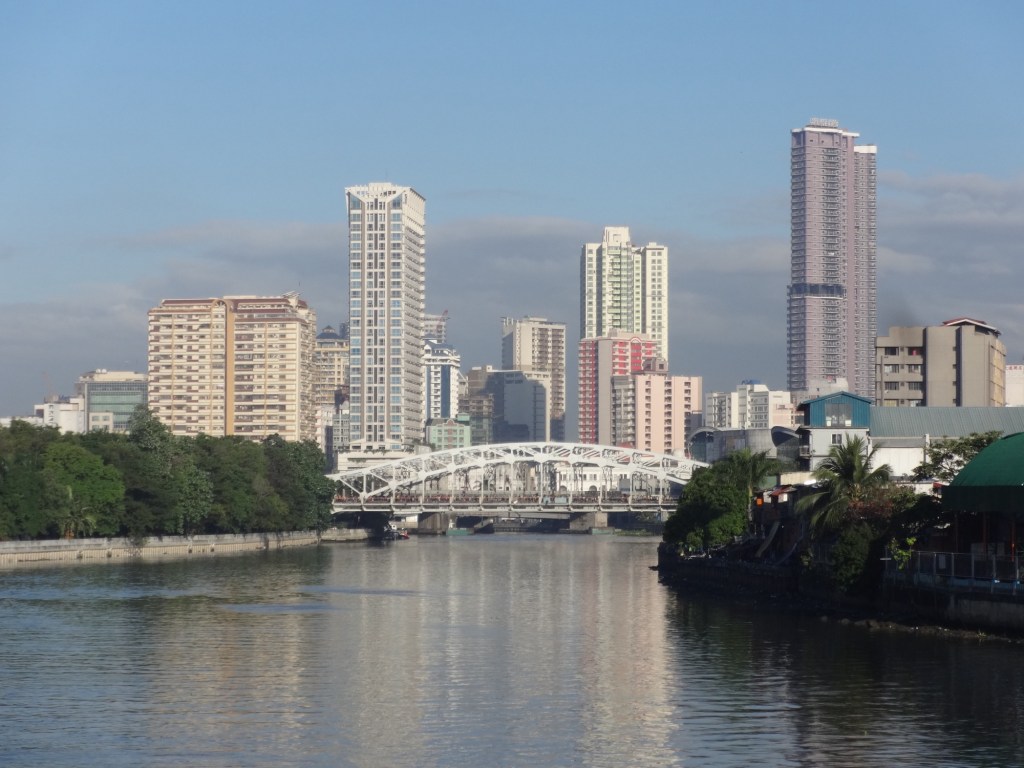
Photo from Wikimedia Commons (CC BY-SA)
“We cannot clean the environment if we do not clean our hearts.”
Every morning, I walk along the banks of the Pasig River in Punta, Sta. Ana, a place almost wrapped by its waters. The path is quiet except for the hum of passing e-tricycles and the faint smell rising from the river. Some days, it’s the scent of decay; other days of rain and renewal. I glance at the water—murky yet glimmering—and wonder how something so wounded can still reflect the light.
In the 1990s, scientists declared the Pasig River biologically dead. Once the beating heart of Manila’s trade and transport, it had turned into a black, stagnant vein clogged by our neglect. Industrial waste, informal settlements, and poor sewage systems stripped it of oxygen—and of dignity. According to the Philippine Star, decades ago, the Pasig River Rehabilitation Commission (PRRC) began an ambitious campaign to bring it back to life: relocating families, clearing obstructions, and restoring tributaries. But even with such efforts, the river’s healing was slow, its wounds deepened by the weight of modern waste and forgotten promises.
The Pasig River once carried stories of fishermen, merchants, and children who played by its edge. Today, it carries plastic bottles, sachets, and the weight of our indifference. Still, there are flickers of hope. I have seen them myself—a handful of volunteers by the riverside, gloves on, black trash bags in hand. Sometimes, after a long rain, the water looks clearer, almost grateful. Even small moments—a granny scolding someone for throwing a wrapper, a student joining a cleanup—feel like quiet prayers for revival. These gestures may seem small, but for a river trying to breathe again, they mean everything.
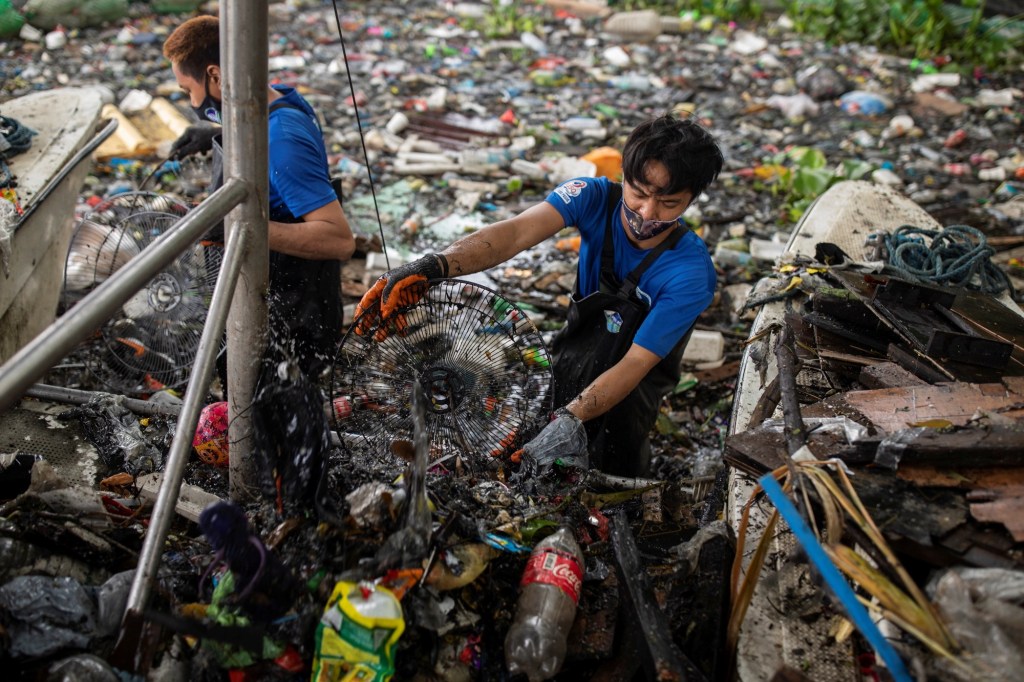
Photo source: https://unsplash.com/s/photos/pasig-riverby
And progress, though fragile, is real. The Pasig River today is not the same river that was declared dead thirty years ago. Projects like Pasig Bigyang Buhay Muli, recently recognized by UN-Habitat’s Asian Townscape Award (PNA, 2025), are breathing life back into its 25-kilometer stretch. Barangays like San Joaquin and Buting were even honored in the Gawad Taga-Ilog 5.0 (Pasig City Government, 2025) for their habitat and resource management efforts. The river, once a symbol of despair, is slowly reclaiming its story—not yet clean, but certainly alive.
Yet the fight is far from over. Reports from GMA News (2024) reveal that certain portions, especially near Escolta, still choke on floating trash, making some sections impassable. In some areas, the water depth has shrunk to barely a meter, silted by years of neglect (Journal News, 2024). So maybe the Pasig River is not healed—not yet. But it is trying.
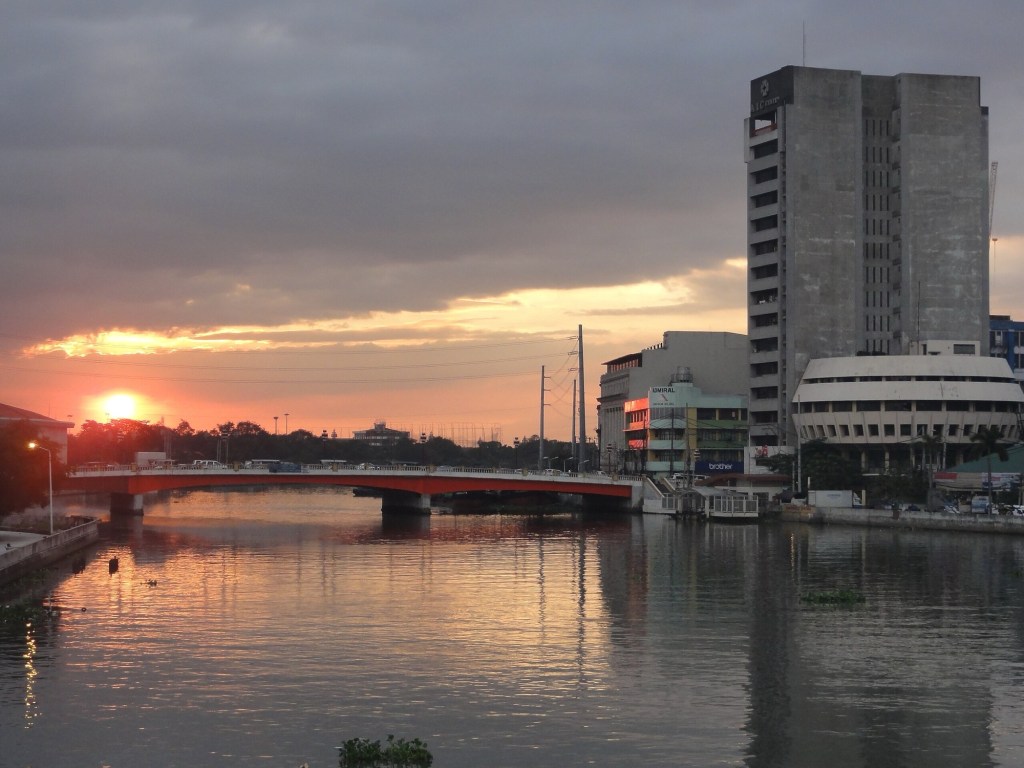
Photo from Wikimedia Commons (CC BY-SA)
Maybe the Pasig River is not dead. Maybe it is just waiting, waiting for us to listen, to remember, to stop blaming and start acting. Because the truth is, no law or commission can clean what our conscience keeps dirty.
Someday, I hope to see children playing by the Pasig again—not afraid of what it carries, but proud of what we restored. For now, it flows: stubborn, wounded, and alive. The river that refused to die, reminding us that maybe it is not just water that needs saving. Maybe it is us.
And as it continues to flow—steady, enduring, and beside us—it whispers a quiet promise: that healing begins when we finally choose to care again.
About the Author
John Denver F. Villaraza is a college student from the Philippines who writes reflective pieces on environmental issues, community responsibility, and everyday encounters with nature.
References
The Philippine Star. (2018). Pasig River Rehabilitation Commission gets international award.
https://www.philstar.com/nation/2018/10/19/1861201
Philippine News Agency. (2025). Pasig Bigyang Buhay Muli Project wins UN-Habitat Asian Townscape Award.
https://www.pna.gov.ph/articles/1260804
Pasig City Government. (2025). Pasig Wagi sa Gawad Taga-Ilog 5.0.
https://pasigcity.gov.ph/news-and-releases/pasig-wagi-sa-gawad-taga-ilog-50-search-for-the-most-improved-estero-in-metro-manila-567
GMA News. (2024). Part of Pasig River impassable due to trash.
https://www.gmanetwork.com/news/topstories/metro/907468/part-of-pasig-river-impassable-due-to-trash/story
Journal News. (2024). Pasig River now only a meter deep.
https://journal.com.ph/pasig-river-now-only-a-meter-deep


 FILIPINOS FOR NATURE