
Photo from Wikimedia Commons (CC BY-SA)
Filipinos are admired by other nations for their positive attitude. In fact, Filipinos are known for their resilience, as many continue to smile and stay optimistic even in the midst of disasters.
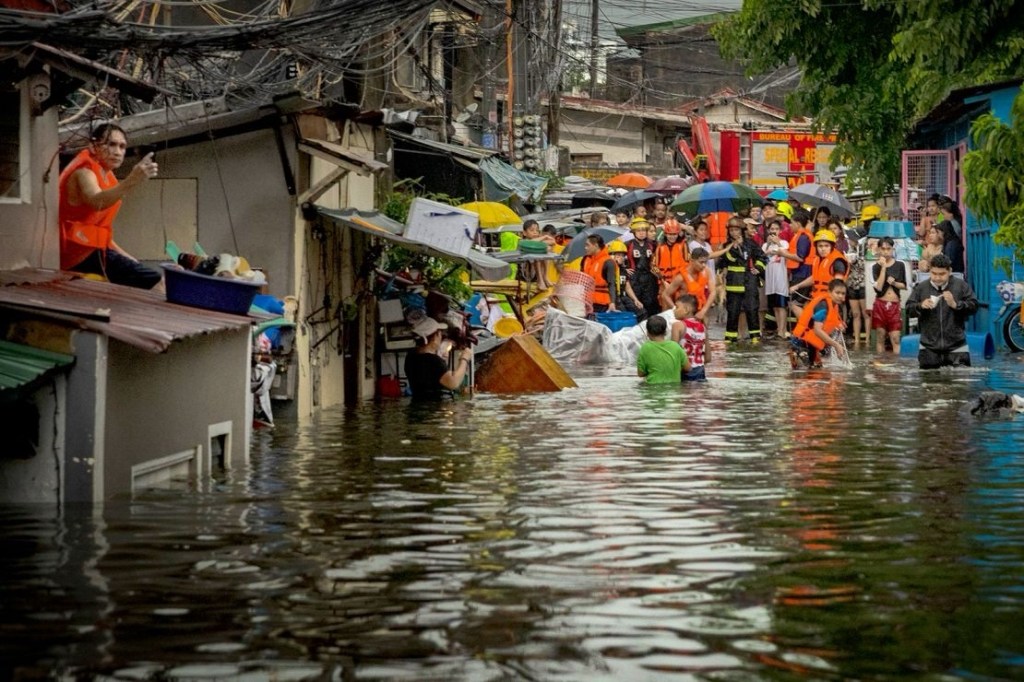
Flooding is not new in the Philippines; it is one of the most common disasters that Filipinos experience during the rainy season. This flooding is caused by heavy rainfall brought by typhoons and monsoons, which leave significant damage to people, roads, homes, and farmlands. However, despite these negative effects, Filipinos continue to embody their resilient spirit. Flooding in some areas of the country is not only due to natural causes but also because of human activities such as deforestation, poor waste management, and the greed of corrupt politicians.
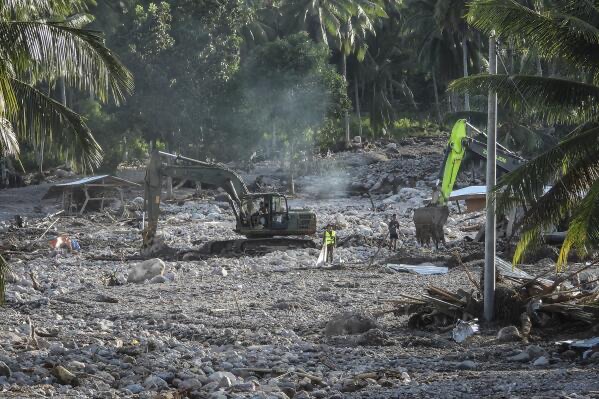
Photo from Wikimedia Commons (CC BY-SA)
According to Teng-Westergaard, the issue regarding the flood-control project—which turned out to be a ghost project—arose after President Ferdinand Marcos Jr.’s State of the Nation Address on July 18. In his statement, he addressed the ongoing corruption within government officials who take funds and taxes from Filipinos and use them for their own benefit. Around ₱500 billion was allotted as the national budget for the said project, but a large portion of the contracts reportedly went to only 15 construction firms, many of which were linked to powerful political families. President Marcos Jr. expressed disappointment after personally inspecting the flood-control project in Bulacan, where he discovered that the ₱55 million project declared as “completed” did not actually exist.
A report by the Climate Change Commission stated that in 1934, the Philippines had around 17.8 million hectares of forest cover. However, between 2001 and 2022, the country lost about 1.42 million hectares of tree cover—a 7.6% decrease from the total of 18.684 million hectares. This shows a massive loss of trees throughout the years. Due to deforestation, fewer root systems remain to absorb rainwater, which leads to higher water levels and increased flooding.
Going back to Filipinos being viewed as resilient people, this perception has now become a burden rather than a compliment, as it has turned into an excuse for political leaders to ignore the public’s calls for accountability and action. Filipinos have become victims of dishonest public servants who exploit the people’s endurance, using “resilience” as a shield to cover their incompetence and corruption. These politicians are thieves of their own people. Filipinos do not deserve to be deprived of their own money, nor do they deserve to bear the suffering caused by corrupt officials’ neglect of their duties.
Despite these challenges, we can still reduce the effects of flooding by taking action and ensuring that projects are truly implemented. We can start small by cleaning the waterways in our communities and removing garbage such as plastic that clogs drainage systems. We must also follow the rule of replanting, where for every tree cut, ten more should be planted to help restore balance in our environment. Lastly, flood-control projects must be made real, not just on paper. Filipinos deserve to see tangible results, especially those living in areas frequently hit by floods.
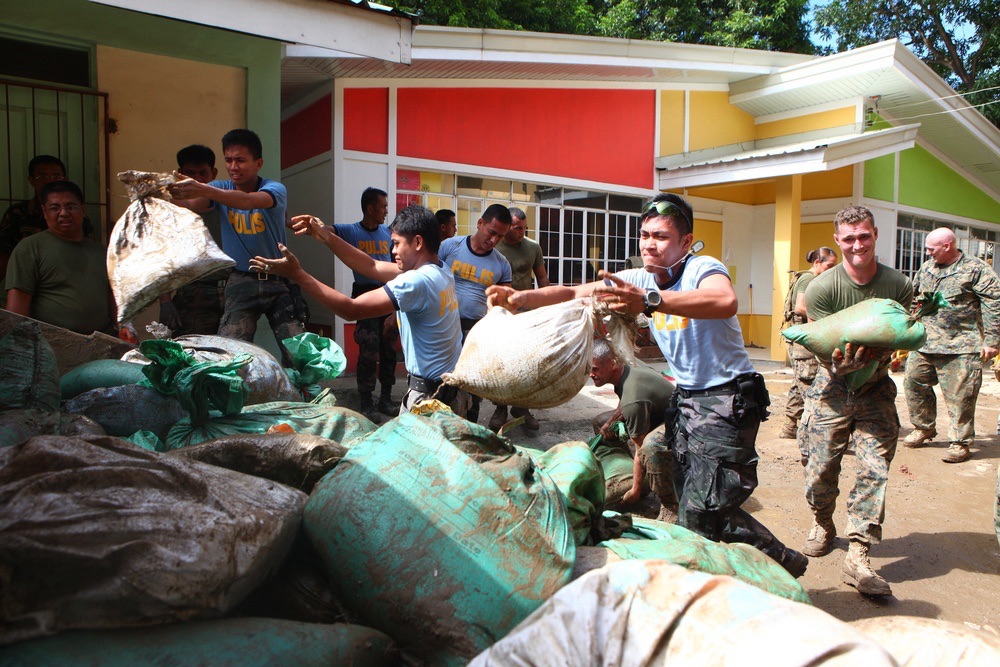
Photo from Unsplash
In the end, the resilience of Filipinos is not the reason why political leaders fail to act on the country’s persistent flooding problem; it is their greed and self-interest. Flooding may seem less destructive compared to other disasters, but its effects are undeniable and continue to challenge many Filipinos. Let’s start the change by raising our voices, because true change will never begin if we allow these people to continue their wrongdoings.
About the Author
C-nag G. Bañares is a college student whose writing examines social issues, governance, and environmental challenges faced by Filipino communities.
References
Asia Media Centre. (n.d.). Philippines: Flood-control corruption and youth uprising.
https://www.asiamediacentre.org.nz/flood-control-corruption-and-youth-uprising-in-the-philippines
Climate Change Commission Philippines. (n.d.). Keeping up with deforestations.
https://climate.gov.ph/news/851


 FILIPINOS FOR NATURE