
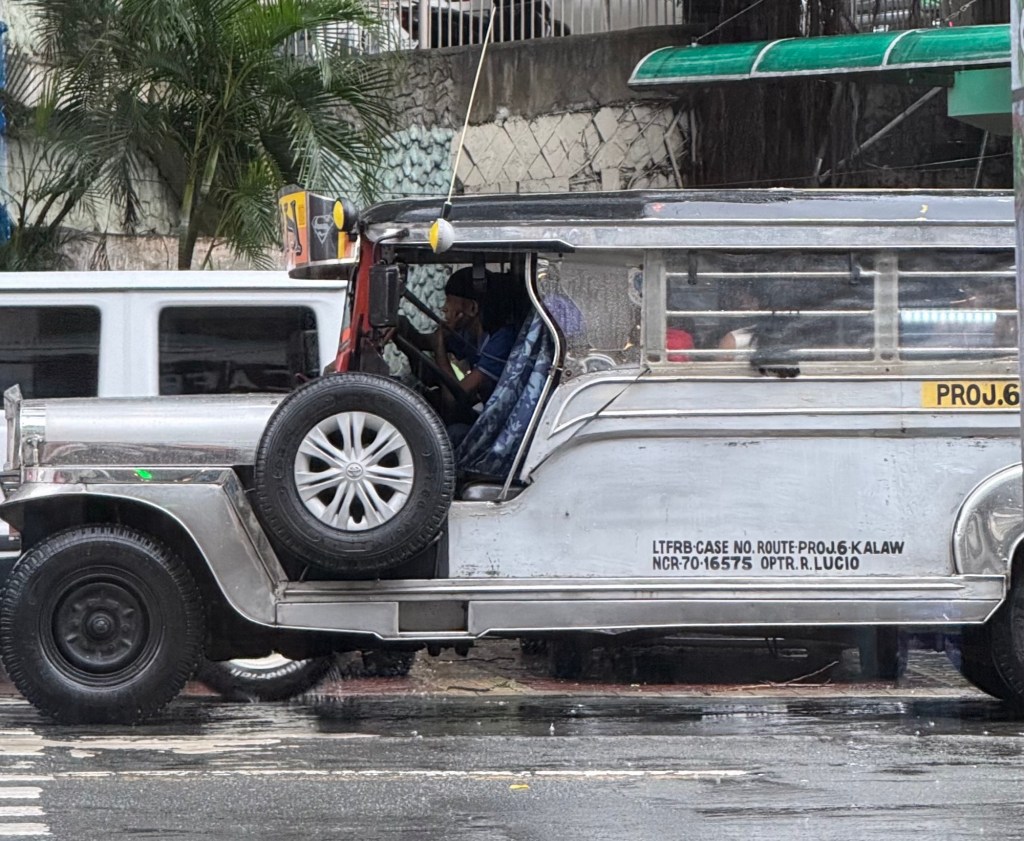
Photo by Filipinos for Nature
Education is often described as a path to a better future. But for many students, that path is not smooth or certain; it is interrupted by natural disasters, delayed by traffic, and held together by endurance rather than stability. The daily commute is not merely a routine but a negotiation with forces beyond anyone’s control. At the center of these experiences stands the powerful symbolism of the jeepney string. A simple cord, pulled to stop the vehicle, reflects the fragile conditions of students whose education is constantly threatened by natural disasters.
A rainy morning already feels like a warning. Students leave their houses not with light footsteps, but with caution and the weight of preparation, such as umbrellas, packed lunches, rain boots, plastic covers for books, and a quiet hope that the sky will show mercy. Outside, the streets are uneven, and puddles pool across the broken asphalt concrete road. Cars rush past without concern, splashing dirty water that soaks socks and shoes before the day has even begun. By the time a student steps onto a jeep, they are already drenched in discomfort and exhaustion.
Inside the jeepney, conversations are replaced by the sound of raindrops. The faces of the passengers mirror the sky gloomy, heavy, and tired. No words are needed to acknowledge what everyone knows: today’s success depends not on how early you left, but on the weather, the traffic, and the floods waiting along the road.
The jeepney string becomes the silent storyteller of the journey. On Singalong Street, a student pulls the string, not because the school is near, but because classes at lower levels have already been suspended. Some passengers step down to return home before the roads become impassable, while others stay seated, still unsure if their own classes will proceed.
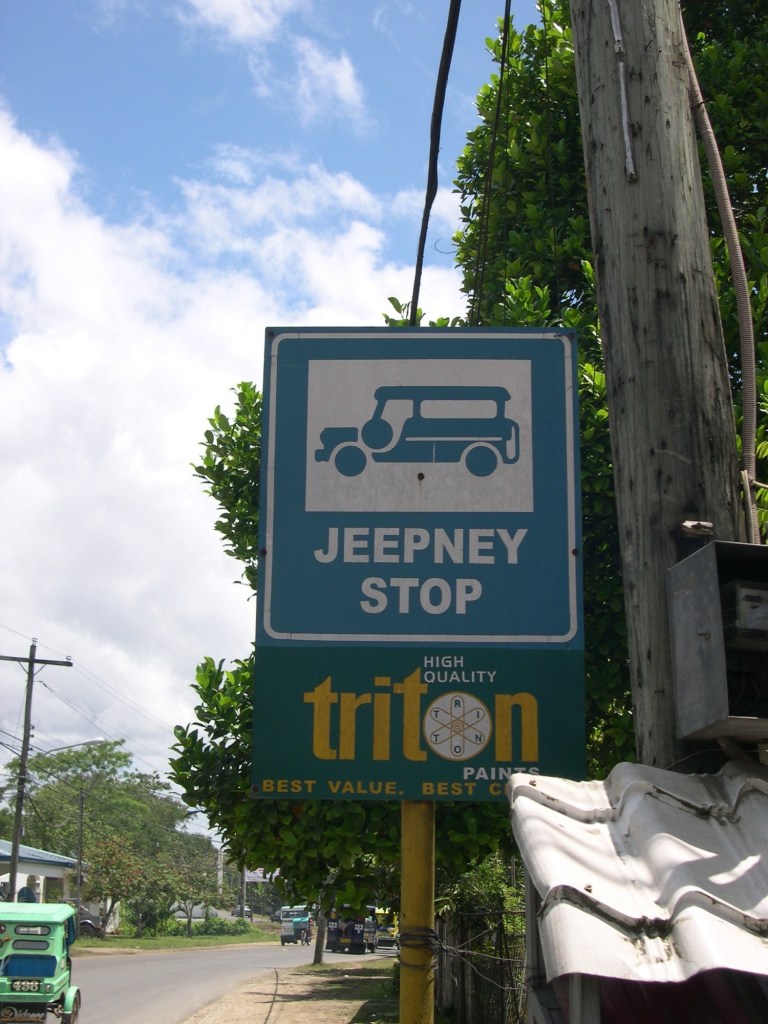
The jeepney string serves as a simple signal to stop, mirroring how a student’s journey can be interrupted without warning.
Photo courtesy of Unsplash
As the jeep reaches Nakpil Street, the string is tugged again. Students know that floods can cancel classes but not cancel submissions. The decision to get off is neither convenience nor choice; it is calculation.
By the time the jeepney moves through Malvar Street, floodwater slowly begins to rise and touch the gutter level. The sight alone is enough to pull the string. Some get off before the water climbs higher. Others stay, gambling with time and tide.
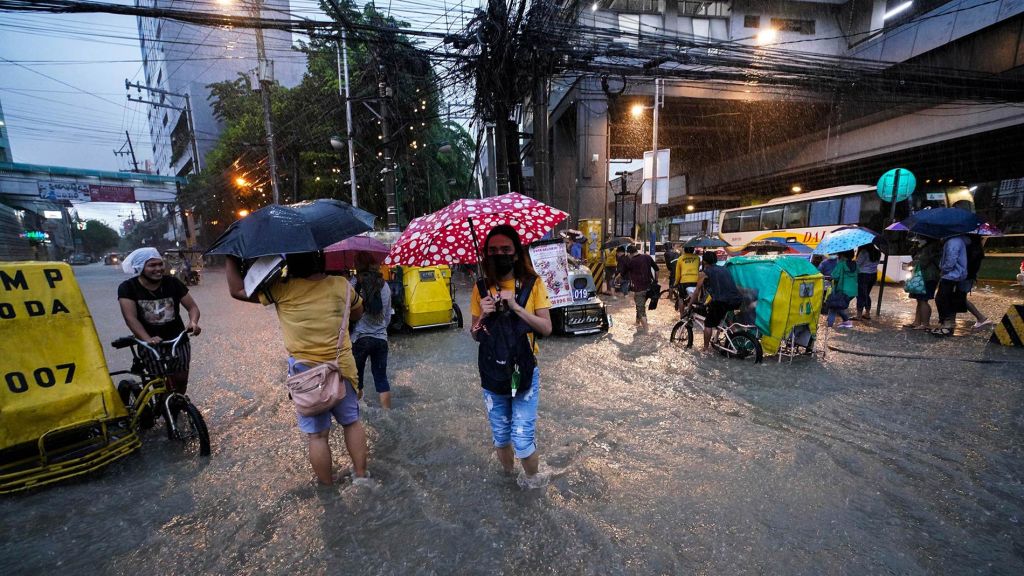
Photo courtesy of Unsplash
On Pedro Gil Street, the jeepney groans as water seeps in from the road. Black smoke coughs out of the exhaust, mixing with rain and mud. Still, more passengers tug the cord, not because their stop has arrived, but because they plan to transfer to the LRT for a chance at a faster and drier commute.
Reaching Padre Faura Street, the sounds of honking cars echo through the narrow road. Some vehicles are stuck, while others force their way slowly through the water. Even then, the jeepney continues crawling forward until another pull of the string commands it to halt. This time, the student gets off, soaked yet still determined.
The next jeepney offers no comfort. It is nearly full, but there is no time to wait for another ride. The student climbs in with wet clothes, dripping hair, and soaked shoes, clutching a T-square, a heavy bag, and a damp umbrella. They squeeze into half a seat, sharing space with strangers who are equally tired and uncomfortable.
Upon reaching the Round Table in Intramuros, the string is pulled once more, and the student steps off. Just a few steps away from the university gate, a phone vibrates. One message changes everything: “Classes will shift to online.” The hours of effort, the soaked belongings, and the physical strain dissolve into a silent frustration that has no outlet.
This is the reality the jeepney string represents. A jeepney stops the moment the cord is pulled, just as a student’s day can stop without warning due to disasters. Flooded routes, impassable streets, suspended classes, landslides, and stalled vehicles do not only delay learning; they dictate it. The string becomes the symbol of a student’s worn resilience, where each pull signals disruption or defeat.
Students in the Philippines are not grounded by certainty. Their education is suspended by threads woven from hope, resilience, faith, and survival. These threads stretch during every storm and every delay, and weaken with every unmet assurance. Yet, like the jeepney string, they are expected to endure.
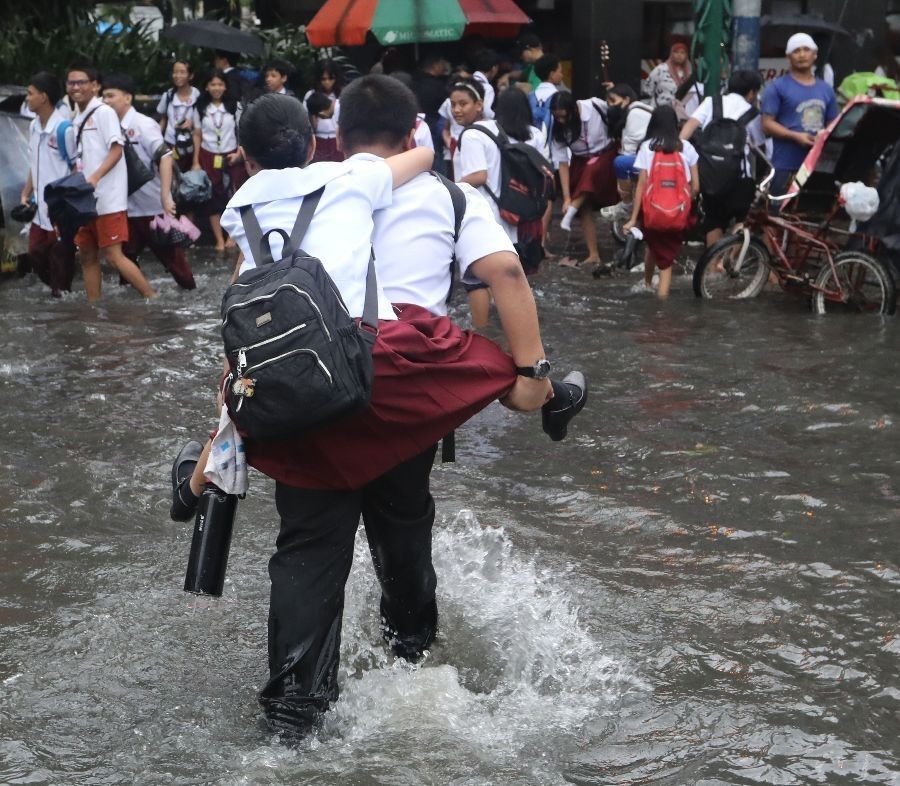
Photo courtesy of Unsplash
The jeepney string, worn and overused, represents students pulled by expectation, strained by circumstance, and always at risk of snapping. Their journey to education is not a straight path, but a tightrope stretched across disaster. Storms may stop the road, and water may rise to the knees, but the thread holds on, as it is carried by those who keep dreaming beyond the flood.
About the Author
Kathleen D. Ferriol is a college student who wrote this article as part of an academic requirement. Her work discusses the everyday challenges faced by Filipino students, particularly the impact of natural disasters and transportation conditions on access to education.
Department of Education. (2023). Guidelines on the suspension of classes and work in government offices during emergencies. Republic of the Philippines.
Philippine Atmospheric, Geophysical and Astronomical Services Administration. (2022). Impact of heavy rainfall, flooding, and tropical cyclones in urban areas. PAGASA.
Asian Development Bank. (2021). Urban flooding and transport disruption in Metro Manila. Asian Development Bank.
Commission on Higher Education. (2020). Flexible learning and class disruptions due to natural disasters. CHED Memorandum.
World Bank. (2021). Climate risk and disaster vulnerability in the Philippines. World Bank Group.
 FILIPINOS FOR NATURE