
Understanding Earthquakes and Disaster Readiness in the Philippines
“By failing to prepare, you are preparing to fail.” This quotation, attributed to Benjamin Franklin, implies that when people fail to make plans or take necessary precautions in advance, they are essentially inviting failure when difficulties arise. Preparation is extremely important because unexpected events can happen at any time, and being prepared is often the key to survival or success. In contrast, lack of preparation places individuals and communities at greater risk of loss, suffering, and avoidable problems. Franklin’s statement serves as a warning that proactive preparation is the foundation for reducing failure and preventing disasters.
Natural disasters are unfortunate events that occur suddenly and often result in loss of life, destruction of property, and damage to the environment. These phenomena may include hurricanes, floods, wildfires, and earthquakes. Understanding natural disasters is essential in order to implement safety measures and preparedness plans that can reduce casualties and infrastructure damage. Preparedness includes gathering information about potential disasters, developing response plans, and implementing risk-reduction strategies. Without such preparedness, disasters can cause greater destruction and make recovery more difficult (U.S. Department of Homeland Security, 2024). Franklin’s insight therefore applies strongly to how societies should approach disaster preparedness.
Earthquakes occur when energy is suddenly released within the Earth’s crust, usually due to the movement of tectonic plates along fault lines. This release of energy causes the ground to shake and, in some cases, may rupture the surface or generate tsunamis. Earthquakes have the potential to destroy buildings, roads, and bridges, disrupt daily life, and result in injuries or deaths. Understanding how earthquakes occur and preparing for them can help communities reduce damage and protect lives. For example, constructing earthquake-resistant buildings and educating the public about safety procedures are essential elements of earthquake preparedness (Ready.gov, 2025).
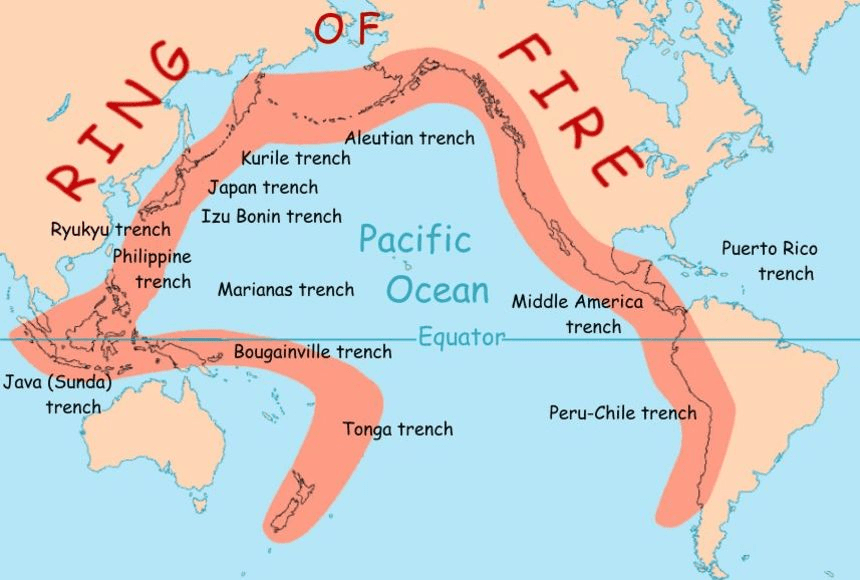
The Philippines is located along the Pacific Ring of Fire, where multiple tectonic plates interact and cause frequent seismic activity. Because of this geographic position, the country is among the most earthquake-prone regions in the world. Both minor and major earthquakes occur regularly, sometimes causing structural damage and loss of life. Continuous monitoring and research by agencies such as PHIVOLCS help ensure that warnings and information reach communities quickly. Studying earthquake patterns is essential in reducing risks and strengthening disaster response systems in the Philippines (PHIVOLCS, n.d.).
https://education.nationalgeographic.org/resource/plate-tectonics
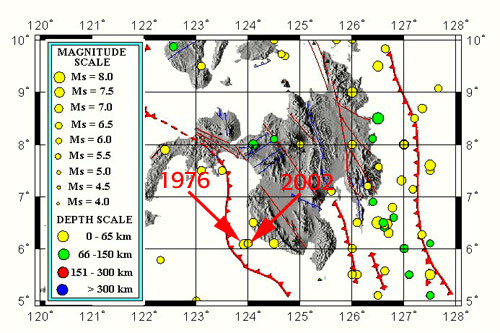
One of the strongest earthquakes in Philippine history is the 1976 Moro Gulf Earthquake, which had a magnitude of 8.0. This catastrophic event led to an estimated 5,000 to 8,000 deaths, mostly due to the tsunami that followed the earthquake. Coastal regions suffered extensive destruction, and thousands of lives were lost. The disaster highlighted the dangers posed by the Philippine Trench and nearby fault zones. It also emphasized the importance of geological research and preparedness programs to reduce the impact of future disasters (Manila Bulletin, 2025).
https://www.drgeorgepc.com/Tsunami1976Phillipines.html
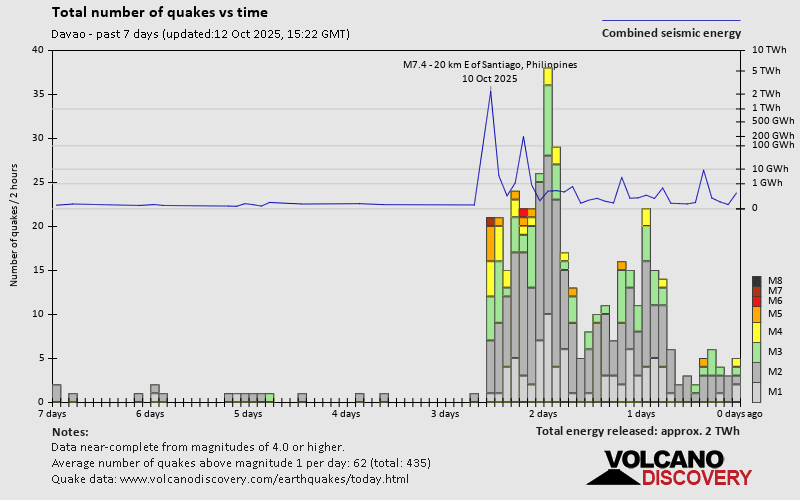
On October 10, 2025, a powerful magnitude 7.4 earthquake struck near Davao Oriental in Mindanao. The event caused significant destruction in many parts of the region and resulted in multiple casualties. Numerous aftershocks followed the main tremor, and authorities issued tsunami warnings as a precautionary measure. This event served as a reminder that Mindanao remains vulnerable to seismic hazards due to its proximity to active fault systems. It underscores the importance of maintaining strong disaster preparedness and recovery programs in the region (Rappler, 2025).
https://www.volcanodiscovery.com/earthquakes/philippines/davao.html
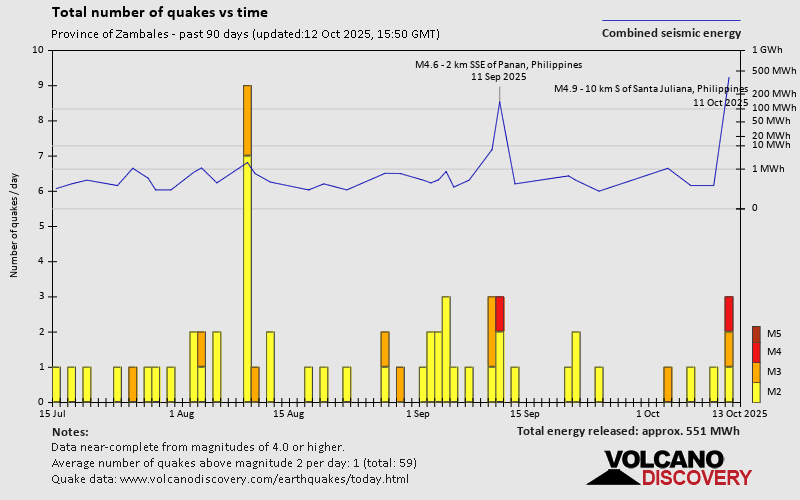
Another earthquake occurred in Zambales in October 2025, measuring a magnitude 5.0. Although the quake caused limited damage, it demonstrated that even regions with relatively lower seismic activity remain vulnerable. The event emphasizes the importance of local preparedness and public education in earthquake response. Knowing what actions to take before, during, and after an earthquake can significantly reduce injuries and save lives (ABS-CBN News, 2025).
https://www.volcanodiscovery.com/earthquakes/philippines/central-luzon/zambales.html
During difficult events such as earthquakes, spiritual practices may also provide emotional comfort and hope to victims. One example is the Memorare, a well-known Catholic prayer that many people recite when seeking comfort and reassurance. The prayer expresses trust in the compassion and protection of the Blessed Virgin Mary during times of hardship.

https://www.catholicid.com/products/the-memorare-prayer-card
Raising awareness about earthquakes and other natural disasters is crucial for strengthening community resilience in the Philippines. Preparedness initiatives—including early warning systems, public education, and well-organized disaster response plans—help minimize casualties and property damage. Continuous research on geological risks and improvements in safety protocols are essential as the country continues to face seismic threats. Through collective action, education, and preparedness, communities can build stronger defenses against the destructive effects of natural disasters (Department of the Interior and Local Government, 2025).
About the Author
Lejanna Alessandra G. San Diego is a BS Architecture student whose academic work focuses on disaster awareness, community resilience, and the importance of preparedness in disaster-prone countries like the Philippines. Through her writing, she explores how education, planning, and collective action can help communities better respond to natural hazards such as earthquakes.
Reference
- ABS-CBN News. (2025, October 11). Magnitude 5.0 quake shakes Zambales.
https://www.abs-cbn.com/news/regions/2025/10/11/magnitude-5-0-quake-shakes-zambales-1818 - CatholicID.com. (n.d.). The Memorare prayer card.
https://www.catholicid.com/products/the-memorare-prayer-card - Department of the Interior and Local Government. (2025). Disaster preparedness and public safety strategies.
https://drive.google.com/file/d/0B8_KPQhbpktXdlUwNjFJNDNUajg/view - Manila Bulletin. (2025, August 17). Remembering the 1976 Moro Gulf earthquake and tsunami.
https://mb.com.ph/2025/08/17/remembering-1976-moro-gulf-earthquake-and-tsunami-deadliest-tsunami-in-philippine-history - National Geographic Society. (n.d.). Plate tectonics.
https://education.nationalgeographic.org/resource/plate-tectonics - PHIVOLCS. (n.d.). Destructive earthquakes in the Philippines.
https://www.phivolcs.dost.gov.ph/destructive-earthquake-of-the-philippines/ - Rappler. (2025). Mindanao earthquake updates: Davao Oriental.
https://www.rappler.com/philippines/mindanao/davao-oriental-earthquakes-updates-news-information-areas-affected-damage-aftershocks-october-2025/ - Ready.gov. (2025, July 10). Earthquakes.
https://www.ready.gov/earthquakes - U.S. Department of Homeland Security. (2024, December 17). Natural disasters.
https://www.dhs.gov/archive/natural-disasters - Volcano Discovery. (n.d.). Earthquakes in Davao, Philippines.
https://www.volcanodiscovery.com/earthquakes/philippines/davao.html - Volcano Discovery. (n.d.). Earthquakes in Zambales, Philippines.
https://www.volcanodiscovery.com/earthquakes/philippines/central-luzon/zambales.html


 FILIPINOS FOR NATURE