
In a place where smoke and sorrow once filled the air, Nena Avelino and her son, Andoy, searched for scraps to survive. Then one day, the boy set down his sack and picked up a pencil.
Thanks to ERDA SaBaNa, Andoy no longer digs through garbage—he digs for a future.
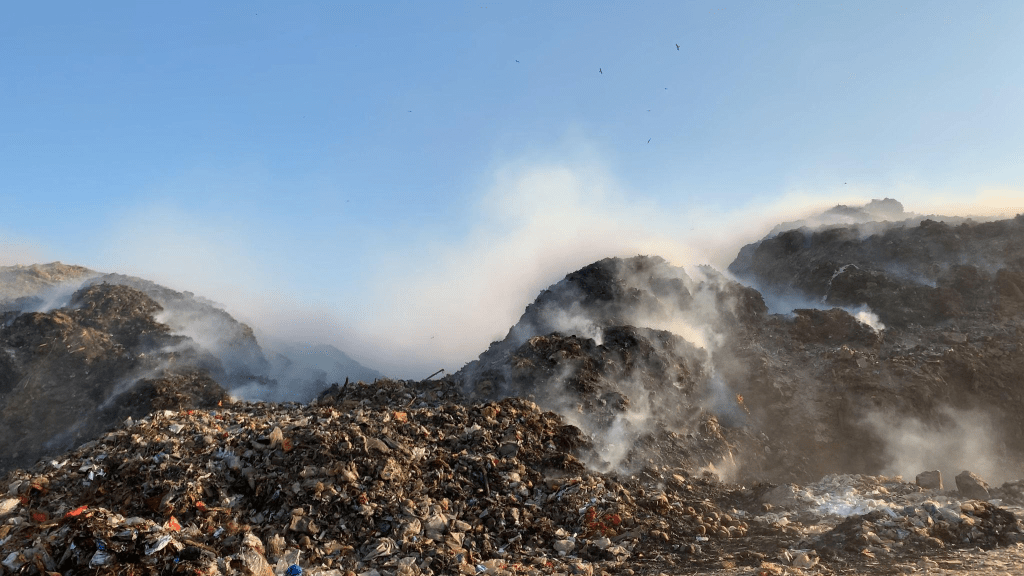
Smokey Mountain in Tondo, Manila was once one of the most infamous dumpsites in the world. Towering up to 60 feet high, it wasn’t just a mountain of trash; it was home to over 30,000 people who made their living from scavenging recyclable materials. For decades, it stood as a stark image of urban poverty, where families lived amid smoke, waste, and danger. Fires would often break out from methane gas emitted by decomposing garbage, giving the mountain its haunting name.
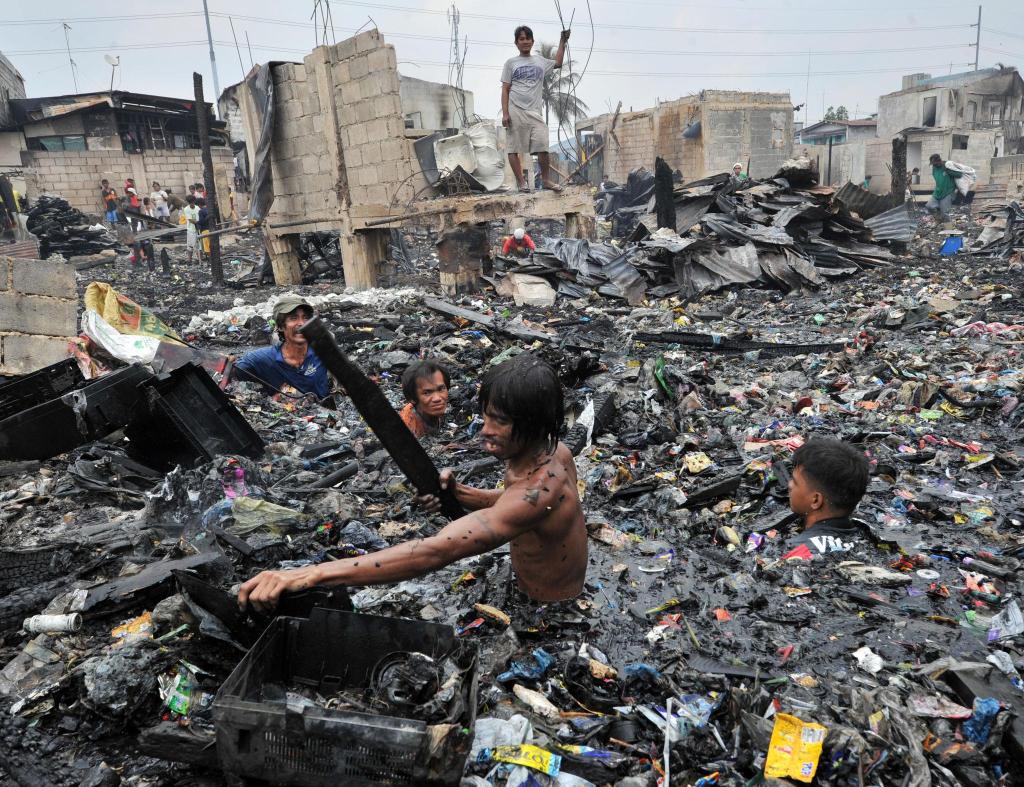
For many who lived there, survival was a daily battle. Yet even in the harshest conditions, stories of resilience emerged—people who refused to be defined by their circumstances and found ways to build new lives beyond it.
Many children in Tondo spent their days scavenging through refuse, inhaling thick smoke from burning rubbish, their childhoods marked by hunger and squalor. Many had no choice but to join their parents in digging through mounds of garbage just to help feed their families.
Then the Educational Research and Development Assistance (ERDA) Foundation established Sanayan ng mga Batang Nanambakan (SaBaNa), a program aimed at taking children off the dumpsite and into classrooms. By providing scholarships, meals, and counseling, the organization helped break the generational cycle of poverty and illiteracy that gripped Smokey Mountain for decades. Andoy’s story mirrors that of hundreds of other children who were given the chance to dream beyond survival.
NGOs like Young Focus also play a crucial role. Their 2023 annual report highlights programs in Smokey Mountain that help children stay in or return to school by offering early childhood education, tutoring support, and social services to reduce dropouts. The goal is to break the cycle of poverty not just by nurturing dreams, but by giving children the tools to realize them (Young Focus, 2024).
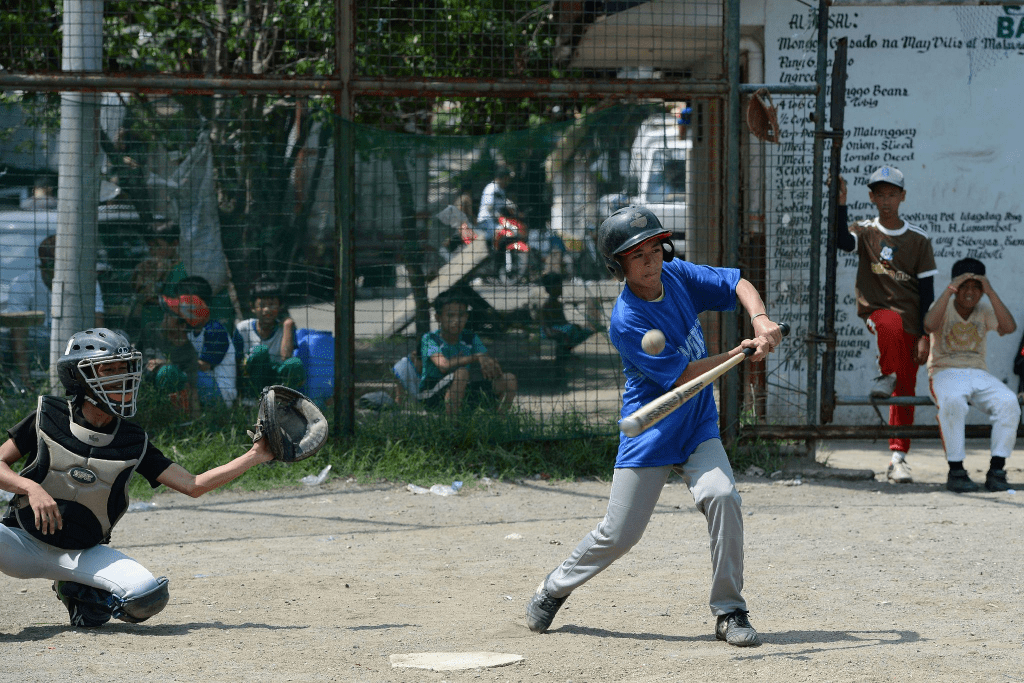
Education is not the only path. Some children have discovered opportunities through sports. The Team Smokey baseball and softball teams have produced scholars who earned college slots through athletic scholarships. The Field of Dreams, once a slope of the dumpsite, now serves as a safe field for practice, discipline, and hope (GMA News, 2013).
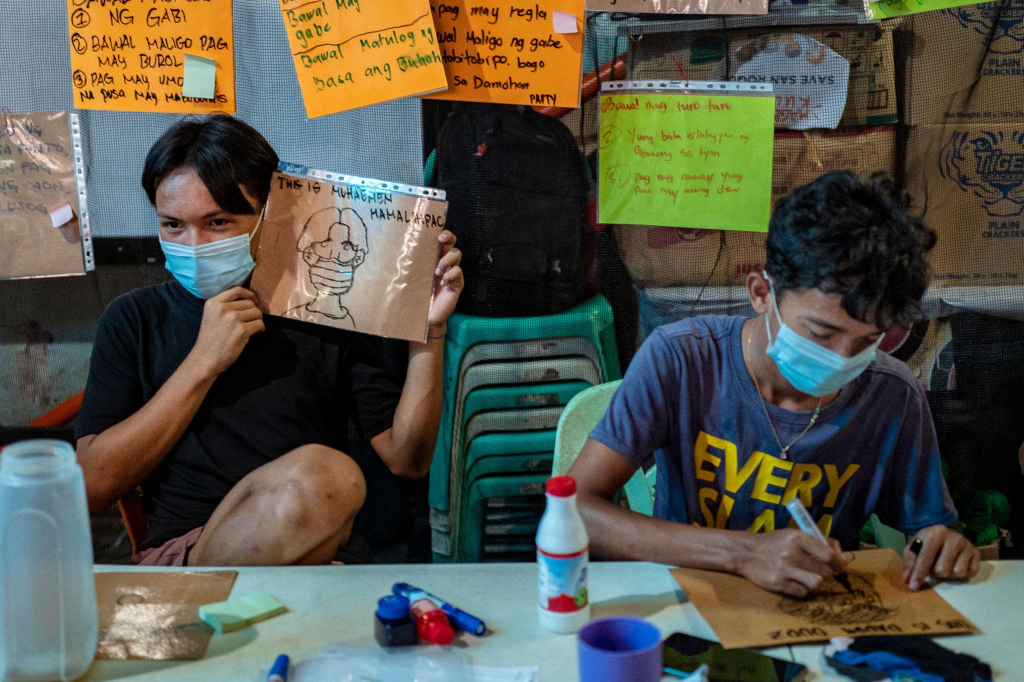
Others, inspired by creative expression, have used blogging, photography, and theater to share their stories. Projects like “Buhay Ko sa Smokey Mountain” teach children how to document their lives, expanding their perspectives beyond immediate survival.
Although many children now attend school, many still face serious barriers. Financial hardships force some to drop out, while others must juggle household responsibilities or scavenging work. Health issues resulting from their environment—such as malnutrition and respiratory illnesses—continue to affect students’ attendance and learning.
Despite these challenges, the children of Smokey Mountain continue to dream in full color. Many pursue aspirations once buried beneath heaps of waste. Today, 34-year-old Andoy has a family of his own and works for an appliance company in Vigan, Ilocos Sur. Meanwhile, Ms. Avelino remains an active parent-leader at ERDA and has even enrolled one of her grandchildren as a scholar.
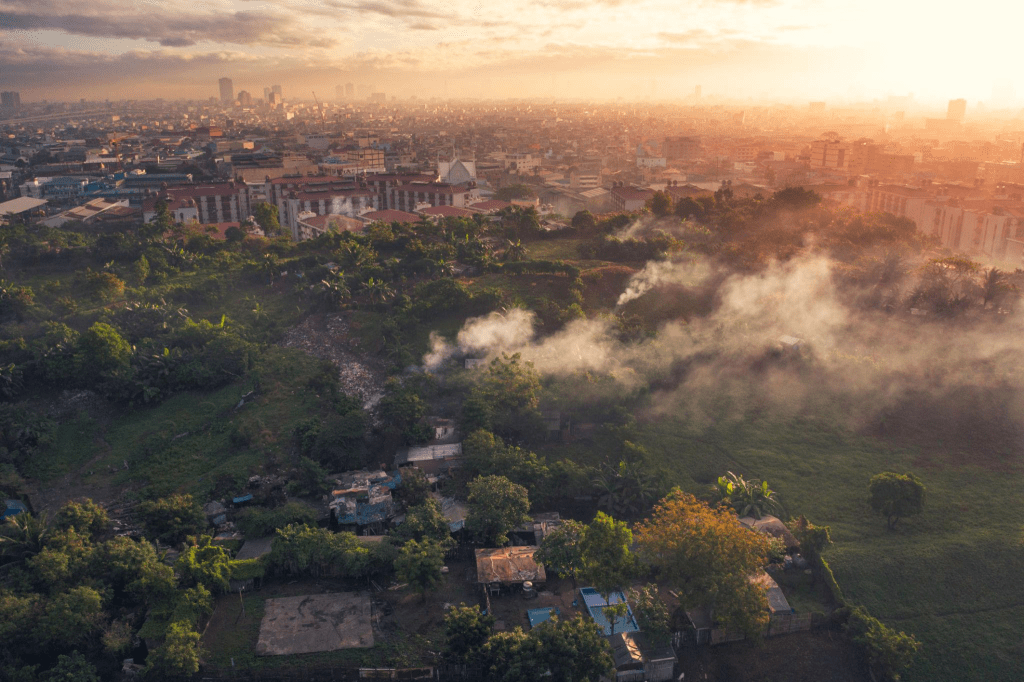
In a place once defined by decay, hope now blooms—fragile, persistent, and alive. The mountain still stands, but this time, it rises from within them.
About the Author
Gallos, John Lloyd B. is a BS Architecture 1-1 student currently enrolled in Civic Welfare Training Service. His work explores social issues and community resilience through research and writing.
 FILIPINOS FOR NATURE