
Source: Getty Images (used for editorial reference)
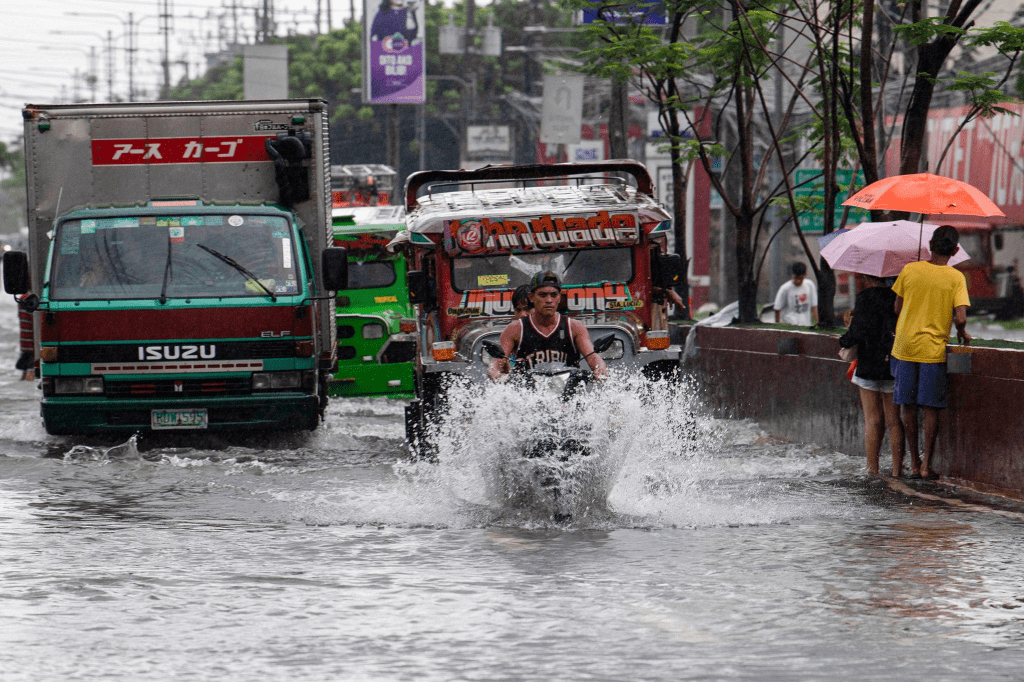
Resilience is instilled in us Filipinos. With the Philippines’ geographical location and various typhoons becoming a part of our ever-changing climate, the coming and going is something that we have grown accustomed to. But after every storm that passes by, a haunting question remains: Why, despite being resilient, do we continue to see and experience devastating risks and death tolls? The history of our nation, which has been injured multiple times by disasters, is not just a mere act of nature, but a lesson we cannot afford to ignore.
Source: Philstar.com (used for editorial reference)
https://www.philstar.com/nation/2025/07/25/2460458/storms-monsoon-may-trigger
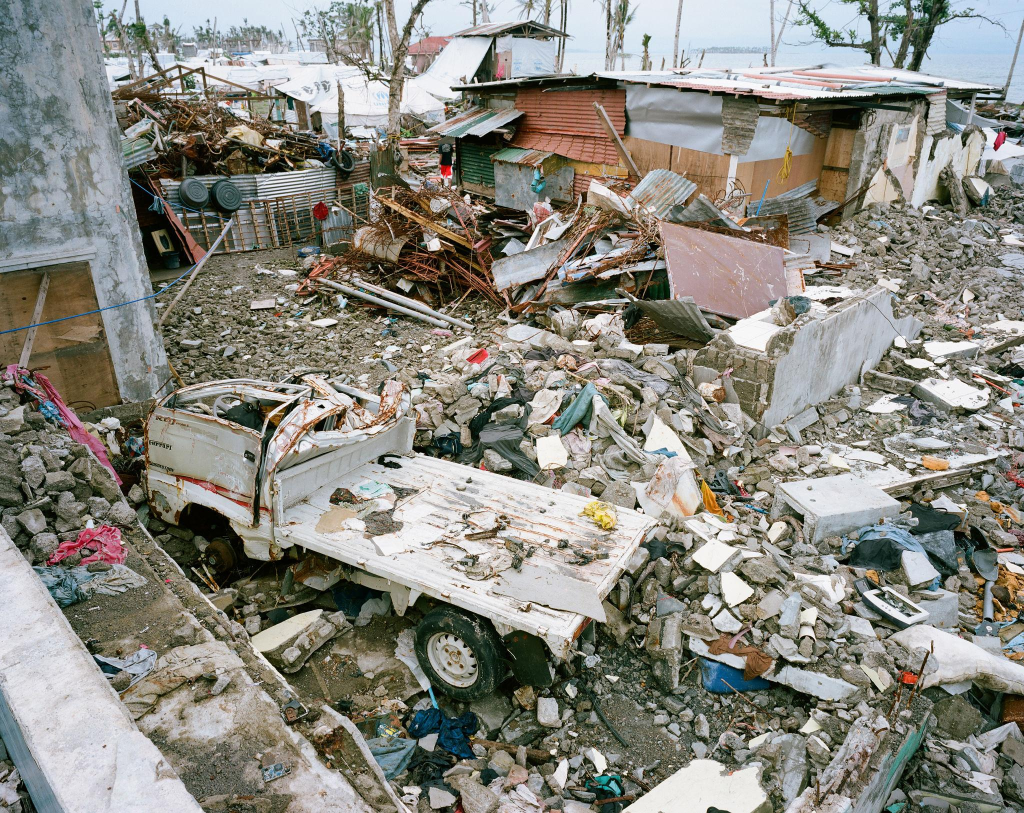
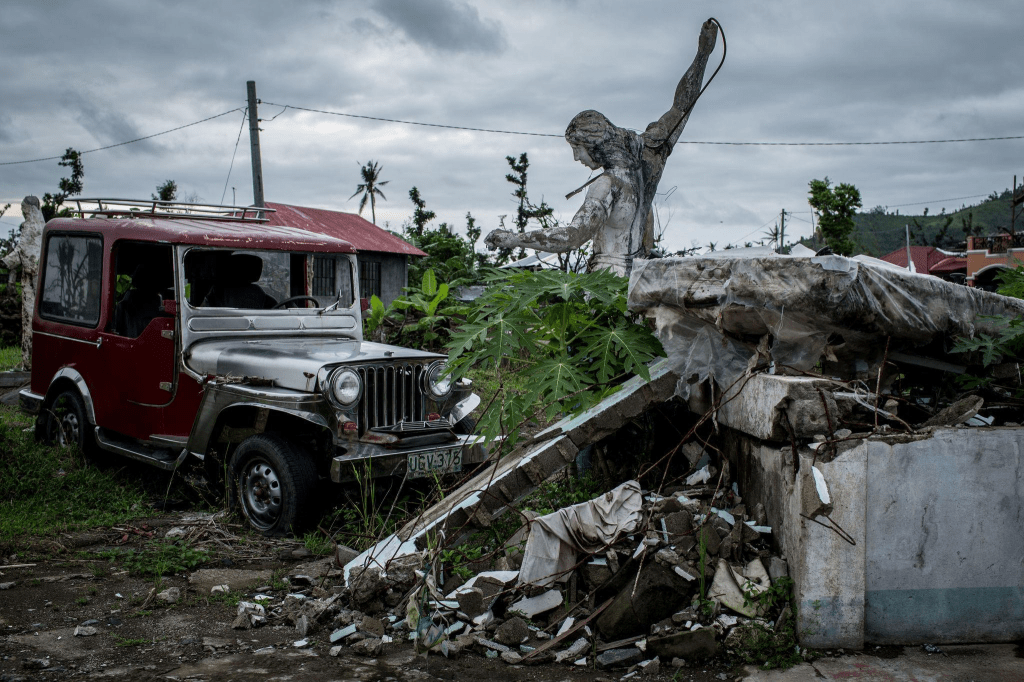
Major catastrophes in the Philippines’ history have served as a reminder of the harsh consequences of natural disasters. These include the noteworthy catastrophes reported in July 1990, such as the 7.6 magnitude Luzon Earthquake. It killed 2,412 people. A total of 1,597,554 people were impacted, and 100,000 homes were damaged, resulting in an estimated $250 million in losses. Following that, in June 1991, the Volcanic Eruption of Mt. Pinatubo, which was considered the greatest volcanic explosion, killed 640 people, impacted 1,036,065 people, and destroyed around 40,000 dwellings, with more than 70,000 being damaged. Finally, in the year 2013, devastation and millions of lives were affected when Super Typhoon Yolanda (Haiyan) affected a total of 16 million people, with more than 28,000 injured and 6,300 deaths in Tacloban, where 90% of the city was destroyed by the typhoon. Around 4.1 million people were displaced, and a total estimate of $12 billion in damages was recorded, including both infrastructure and agriculture sectors, which had significant costs of $2 billion that brought the nation to its knees. Typhoon Yolanda caused the most costly damage from a catastrophe in Philippine history, as well as a bitter lesson in the sheer strength of nature compared to human beings.
Source: Reuters (via Cadena SER)
https://cadenaser.com/ser/2014/05/18/sociedad/1400379206_850215.html
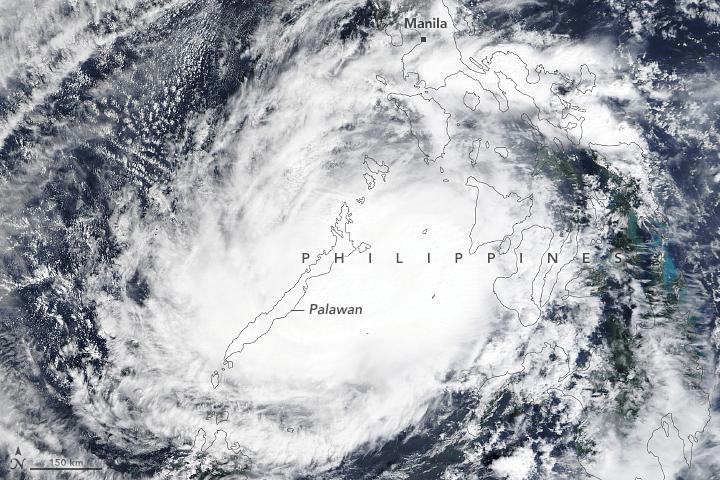
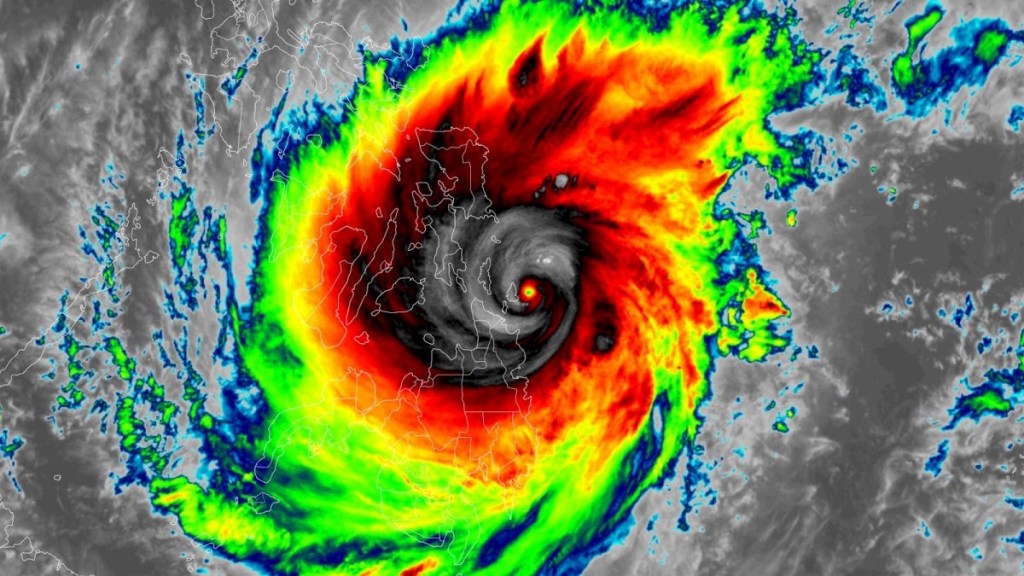
It’s tempting to dismiss this as just bad luck. According to the Asian Disaster Reduction Center (ADRC, 2019), the Philippines’ geographical location along the Pacific typhoon belt results in an average of 20 typhoons per year, five of which are destructive, making our country extremely vulnerable to disasters such as tsunamis, storms, landslides, floods, and droughts. However, in recent years, climate change has intensified typhoons and calamities that make landfall in the Philippines.
Source: NASA Earth Observatory (via South China Morning Post)
https://www.scmp.com/news/asia/southeast-asia/article/3160229/pleas-help-philippines-after-killer-typhoon-rai-leaves
As the waters warm, typhoons get stronger, wetter, and more unpredictable. PAGASA cautions that oceans and seas have a significant effect on weather, and that rising sea levels each year could worsen devastating storm surges (Mahanan, 2020). It has also been identified on November 22, 2022, by the CCC’s reconstituted National Panel of Technical Experts (NPTE), as among the top 10 climate-induced risks in the country. This places 64 coastal provinces, 822 coastal municipalities, and 25 major cities at extreme risk, including Manila, which is the central bustling city where all transactions happen. These are no longer “natural,” but rather enhanced by human activity. Along with the recent earthquakes in Davao and Caraga, this should serve as a warning to us that it is not too late to act and generate change so that many lives are not lost in the future due to disasters.
According to the Philippine Statistics Authority, damages that have occurred due to natural extreme events and disasters amounted to Php 463 billion from 2010 to 2019, with agriculture accounting for 62.7 percent or Php 290 billion, followed by infrastructure and private communications at 23.0 percent or Php 106 billion. The Department of Finance also stated that the Philippines ranked 9th out of 181 nations as the most affected country by extreme weather events in the 2020 World Risk Index, and ranked 4th among 10 countries severely hit by weather events in the Global Climate Risk Index 2021, according to Secretary Dominguez. This means that the majority of damages are resulting from disasters, as well as the government’s budget, which totals Php 1.007 trillion allocated to DPWH, including building infrastructure to minimize disaster risks. However, due to the results of recent disasters, this shows the opposite.
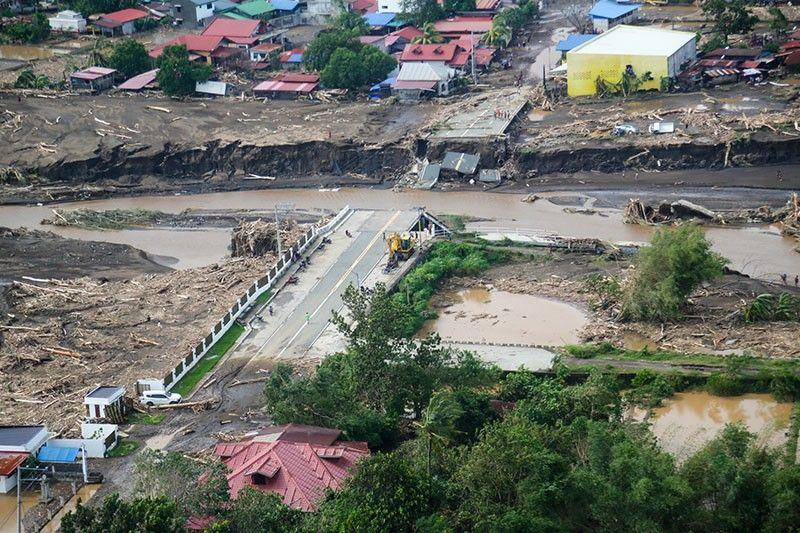
Source: Presidential Communications Office (PCO) via AP
The connection between a warmer planet and stronger typhoons is already a signal for us to do something about it. You might think, “What can I possibly do?” It is easy to feel powerless when faced with this global-scale problem. However, for change to happen on a global scale, it must start with small, collective efforts.
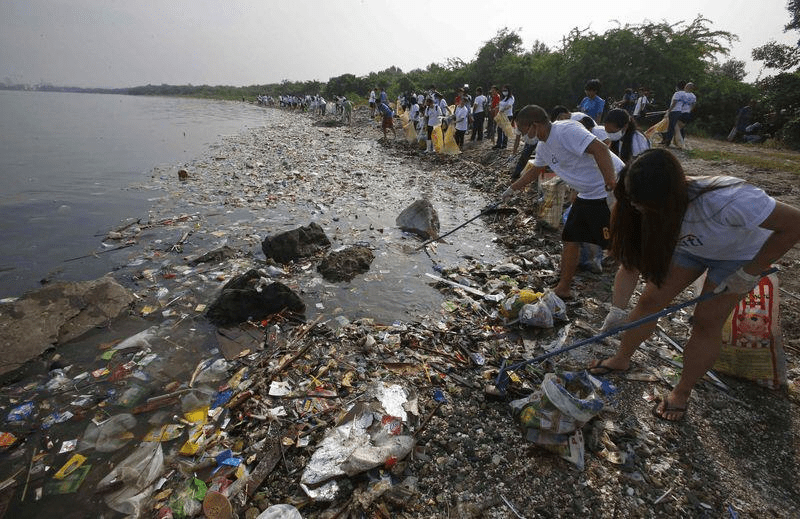
https://interaksyon.philstar.com/opinion/2019/03/18/145881/philippines-ocean-pollution-plastic-waste-western-world-blame/
There are ways we can act on a small scale that can create a massive impact:
- Reduce plastic footprints. Avoid using single-use plastics, straws, and bottles. Instead, choose reusable options such as tote bags, eco-bags, and reusable containers. Plastics end up in landfills and clog our community drains, harming our oceans and marine life.
- Practice proper waste segregation. Make recycling easier by segregating your waste into biodegradable, recyclable, and non-biodegradable waste to reduce the garbage that ends up in landfills and rivers.
- Conserve electricity and water. Unplug devices when not in use and save energy. Conserve water by taking shorter showers. This reduces the demand for power plants that emit emissions, which trap heat and contribute to global warming and climate change.
- Support and plant trees. Participate in initiatives or drives that care for the environment, including platforms where each search contributes to tree planting. Trees absorb carbon dioxide and greenhouse gases, help filter the air, and prevent landslides during heavy rains.
- Spread awareness. Use your platform appropriately by sharing reliable information on social media. Inform your relatives and friends about possible ways to change their habits and about updates on upcoming typhoons.
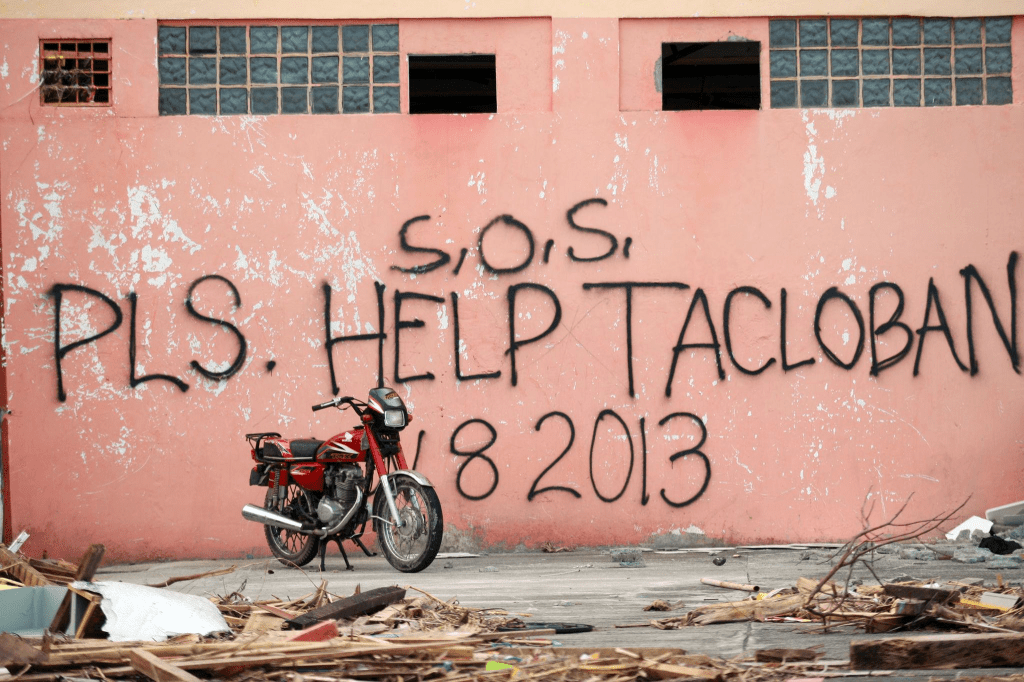
Photo by: Erik De Castro / Source: Reuters
Remembering the lives lost in the tragedies of Yolanda, Pinatubo, and the Luzon earthquake isn’t just about honoring the past—it’s also about protecting our future, acknowledging our mistakes, and taking collective responsibility for our planet. The increasing disasters we face are a direct result of how we treat our environment.

Source: D’Marilou Resort, Panglao, Bohol (via Facebook)
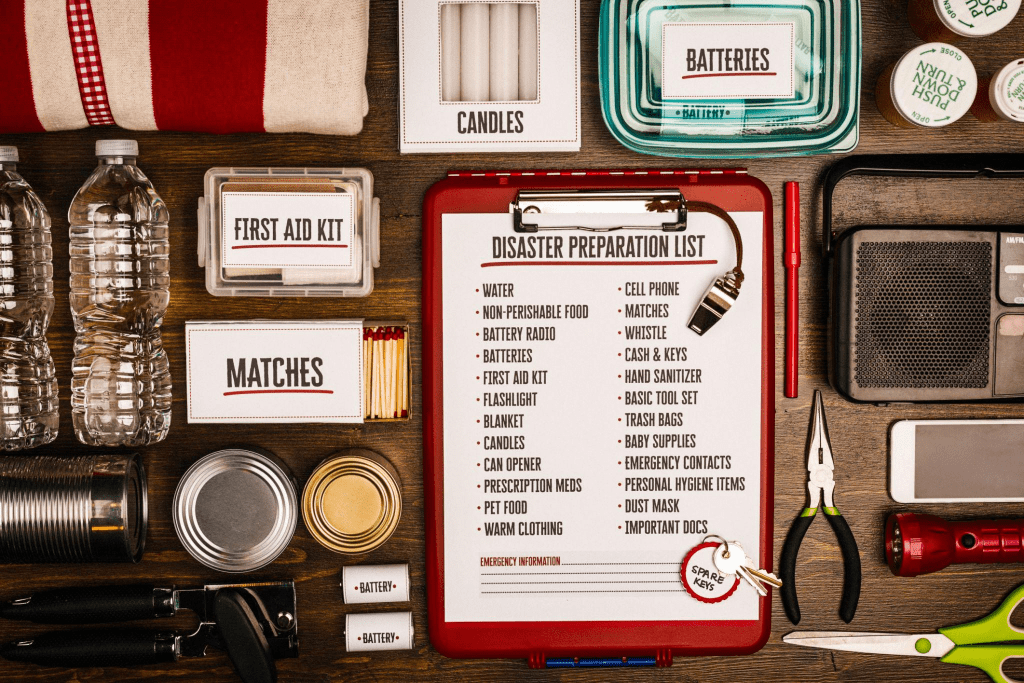
We may not be able to stop typhoons altogether, but we can work to prevent them from taking more lives, displacing people, and destroying livelihoods. Let us honor the memory of those we lost by building a safer, cleaner, and more sustainable Philippines. By making one small action at a time, a huge change can be made.
About the Author
Maxene Alliyah C. Polido is a BS Architecture student whose academic work explores disaster risk reduction and climate-related hazards in the Philippines, with a focus on how communities can better prepare for and respond to environmental risks.
Reference:
- Asian Disaster Reduction Center. (2019). Information on disaster risk reduction of the member countries. ADRC.
https://www.adrc.asia/nationinformation.php NationCode=608&Lang=en - CCC’s National Panel of Technical Experts to hold forum on PH climate-induced risks. (2022, November 22). Climate.gov.ph. https://www.climate.gov.ph/news/727
- De Guzman, E. (2019). Eruption of Mount Pinatubo in the Philippines, Asian Disaster Reduction Center, Eruption of Mount Pinatubo in the Philippines in June 1991.
https://www.adrc.asia/publications/recovery_reports/pdf/Pinatubo.pdf - Department of Finance. (2021, November 2). Climate-related hazards led to US$10-B losses for low-carbon emission PHL over 10-year period. Department of Finance.
https://www.dof.gov.ph/climate-related-hazards-led-to-us10-b-losses-for-low-carbon-emission-phl-over-10-year-period/ - Mahanan, J. (2020, April 30). PAGASA scientist reiterates warning on rising sea levels in PH amid climate change. ICSC | Institute for Climate and Sustainable Cities; ABS-CBN News.
https://icsc.ngo/pagasa-scientist-reiterates-warning-on-rising-sea-levels-in-ph-amid-climate-change/
Philippine Institute of Volcanology and Seismology (PHILVOLCS), C. Torres, R., O. - Paladio, Ma. L., S. Punong bayan, R., & A. Alonso, R. (2023). Mapping of Areas Affected by Liquefaction during the 16 July 1990 Earthquake. Dost.gov.ph; Philippine Institute of Volcanology and Seismology – DOST. https://earthquake.phivolcs.dost.gov.ph/1990LuzonEQ_Monograph/pp043/pp043_046.html
- Philippine Statistics Authority. (2020, October 28). Damages Due to Natural Extreme Events and Disasters Amounted to PhP 463 Billion | Philippine Statistics Authority. Psa.gov.ph.
https://psa.gov.ph/content/damages-due-natural-extreme-events-and-disasters-amounted-php-463-billion - Presidential Communications Office. (2024, December 30). News Releases – Education remains top priority in P6.32T nat’l budget. Pco.gov.ph. https://pco.gov.ph/news_releases/education-remains-top-priority-in-p6-32t-natl-bu
dget/ - World Health Organization. (n.d.). Typhoon Haiyan (Yolanda). http://Www.who.int.https://www.who.int/westernpacific/emergencies/typhoon-haiyan-(yolanda)
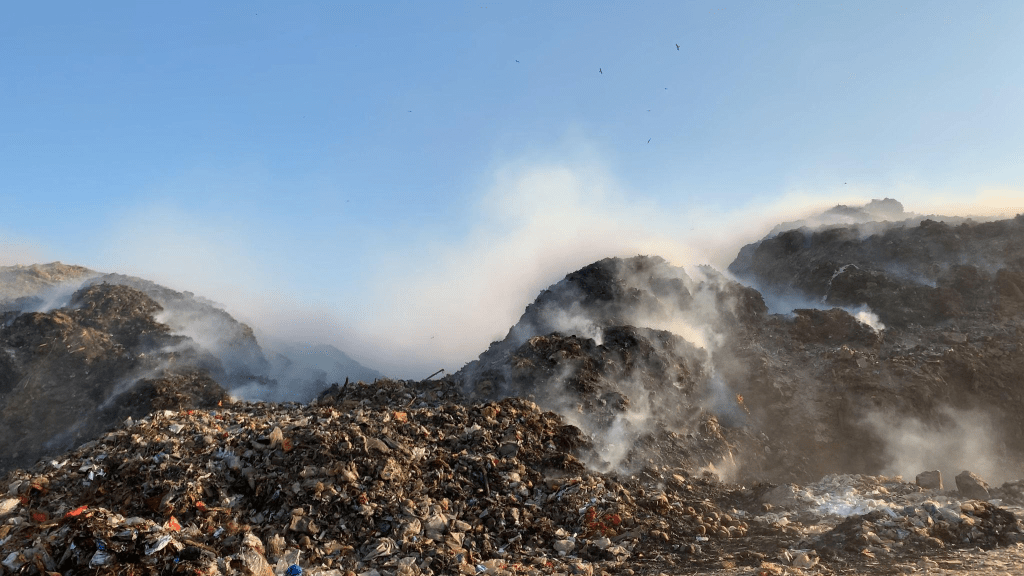


 FILIPINOS FOR NATURE