
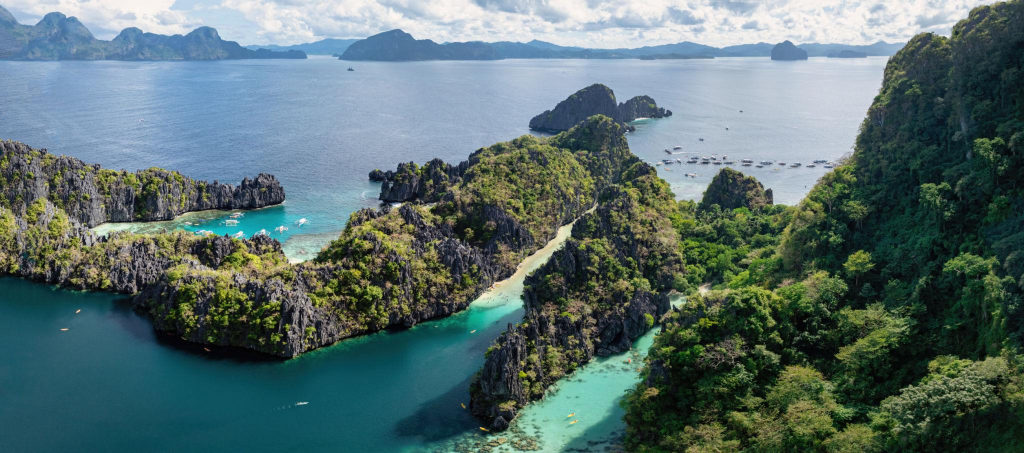
When people speak of paradise, they often picture stretches of white sand framed by turquoise waters, limestone cliffs piercing the sky, and forests breathing life into the horizon. In the Philippines, that paradise has a name—Palawan.
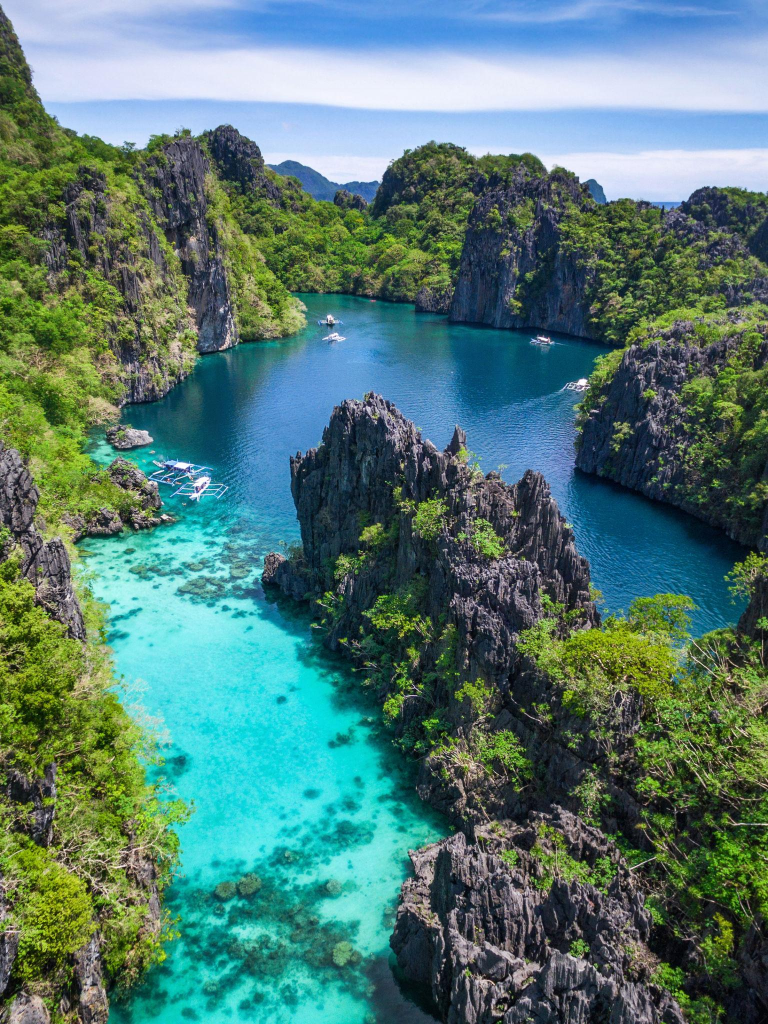
Known as the country’s “Last Ecological Frontier,” this island is not just a destination; it is a living story of harmony between nature and humanity—a harmony now quietly tested by change.
The Heartbeat of the Wild
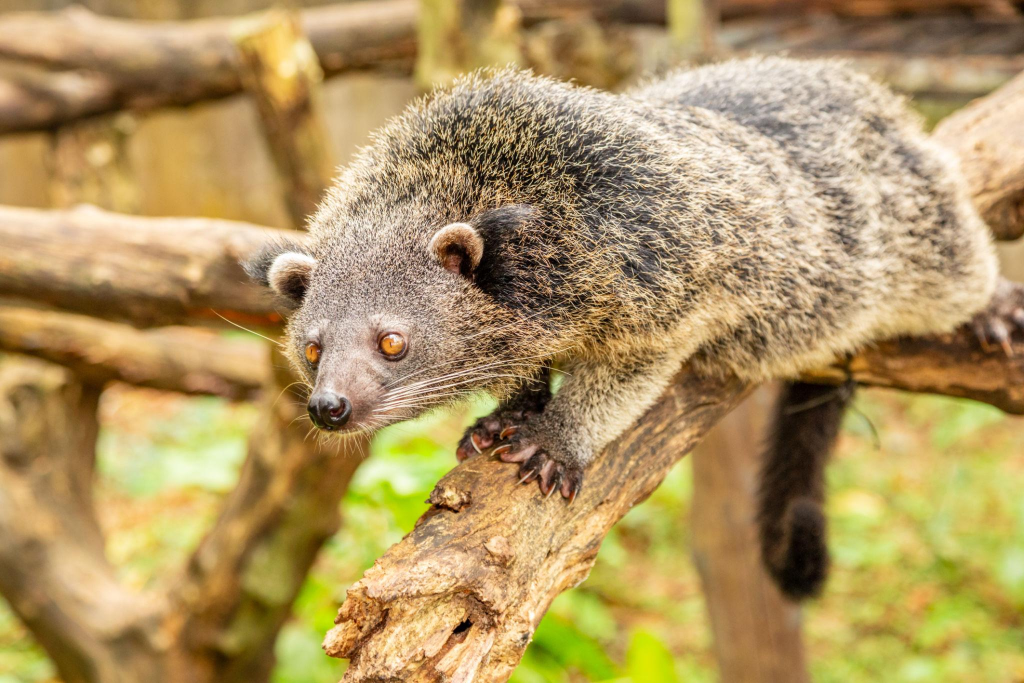
Source: iStock (used for editorial reference)
Palawan’s beauty lies not only in its landscapes but in its soul. Beneath its emerald canopy thrive some of the most diverse ecosystems in the world—forests where the Palawan bearcat roams, mangroves that cradle young fish, and coral reefs so vibrant they seem painted by nature herself.
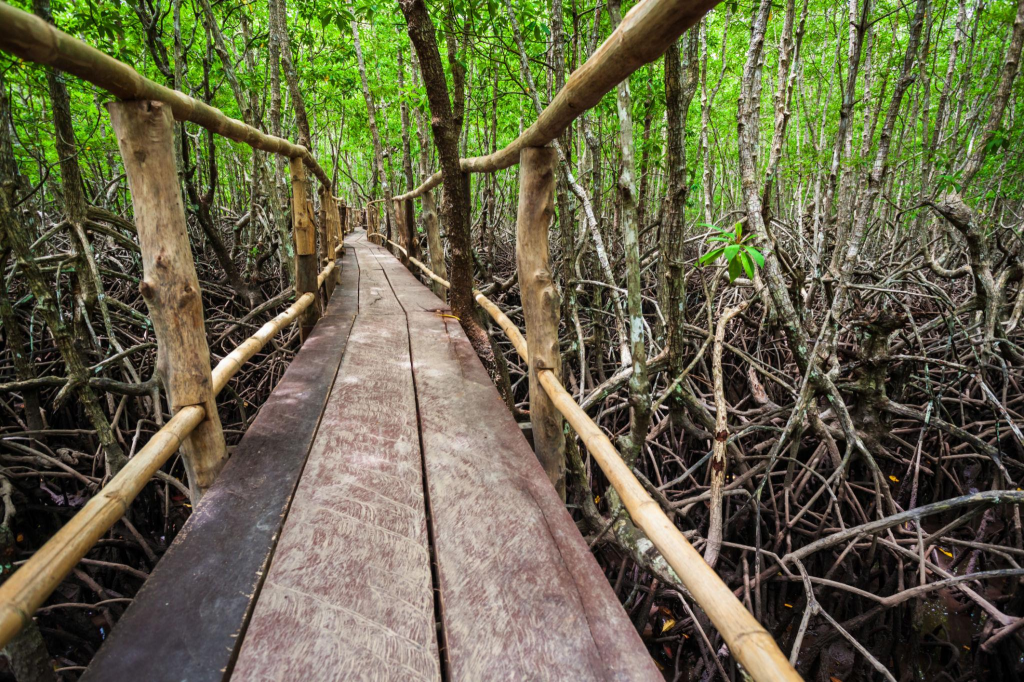
Source: Dreamstime (El Nido stock photos collection)
Yet, what makes Palawan extraordinary is its balance. Locals have long lived in rhythm with their environment—fishing only what they need, cultivating rice in harmony with the rains, and respecting the boundaries of the wild. This quiet coexistence reflects an old truth: that humans and nature are not rivals but partners in survival.
Whispers of Change
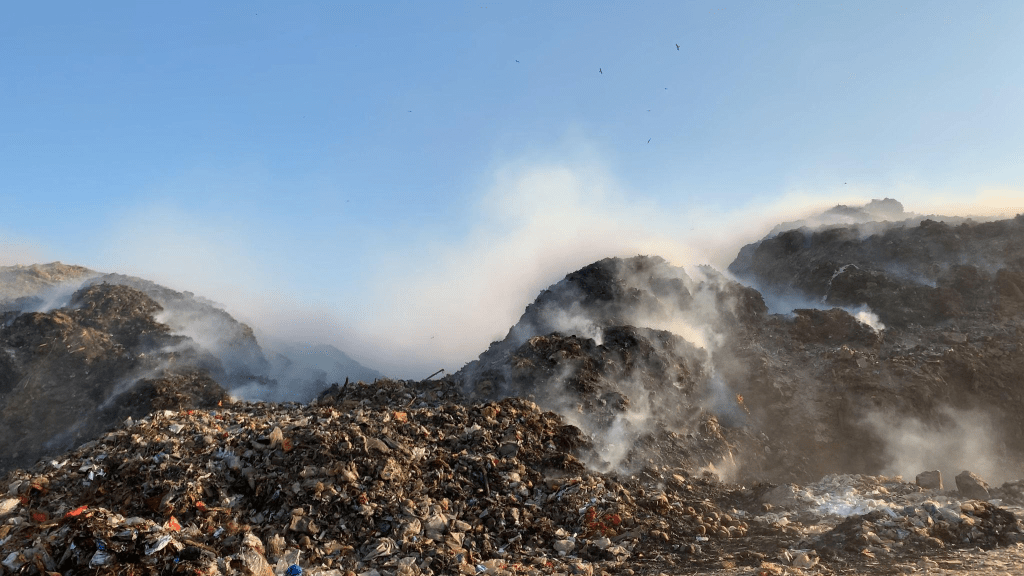
However, whispers of imbalance have begun to stir. The island’s pristine coasts, once untouched, now face the weight of development. Tourism, while vital for livelihoods, brings with it traces of pollution—plastic bottles drifting with the tide, coral reefs scarred by careless anchors, and forests giving way to roads and resorts.
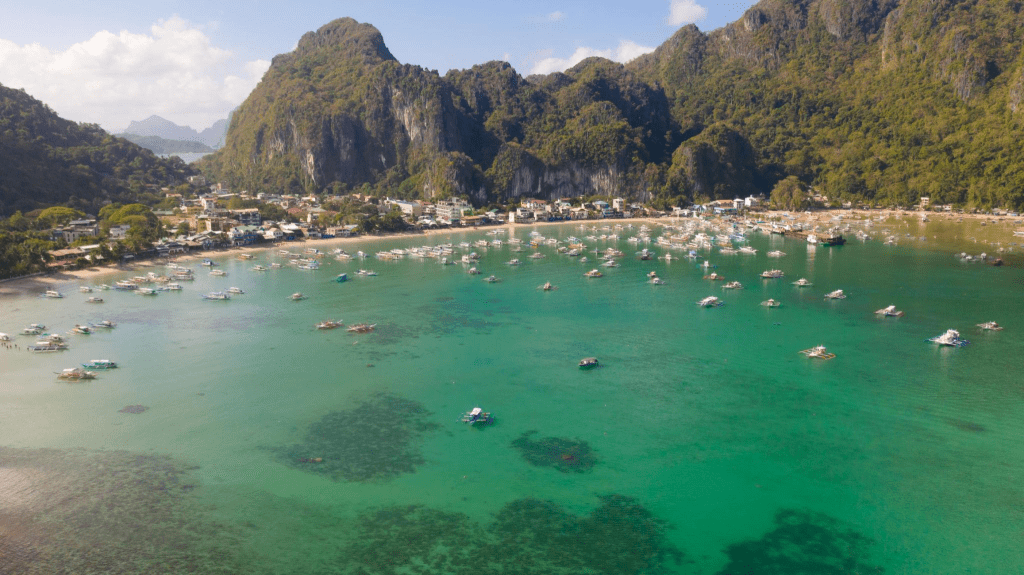
Source: Alamy – Filipino banca stock photos collection.
The irony is that the same natural wonder that draws visitors to Palawan also suffers because of it. The demand to experience paradise often forgets the cost of preserving it. The sea, the forest, and the air all silently bear the consequences of human hands that take more than they give.
The People and the Promise
Despite these challenges, Palawan still stands as a beacon of hope. Local communities, students, and environmental advocates are taking small but meaningful steps—replanting mangroves, promoting eco-tourism, and teaching the next generation about stewardship.
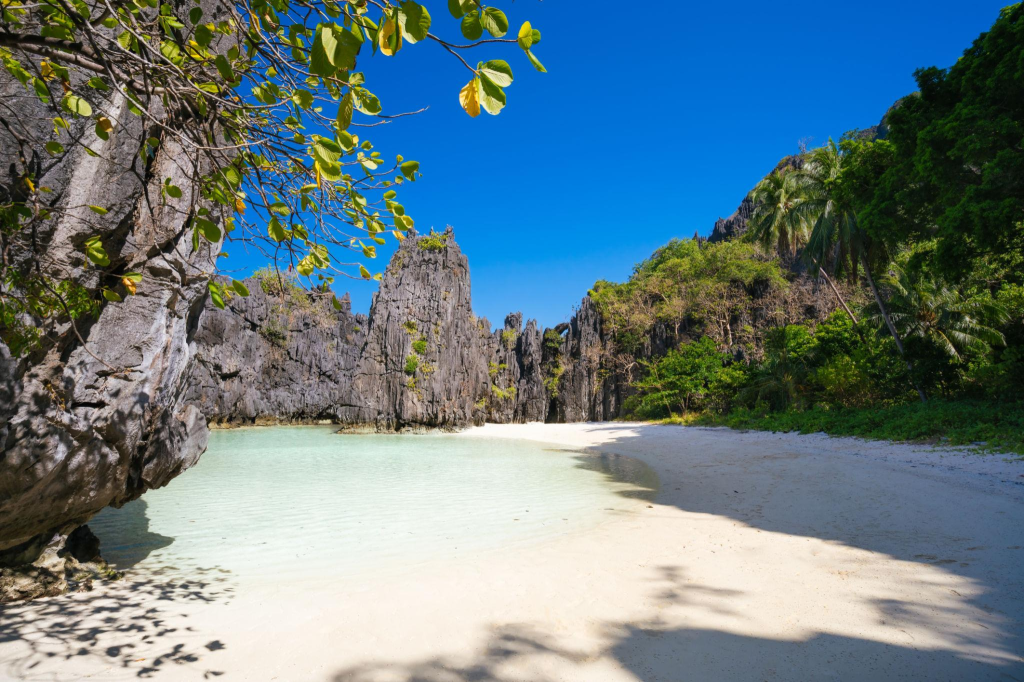
Source: Dreamstime – Hidden beach in morning light at El Nido, Palawan, Philippines.
These acts may seem small, but together they form a powerful resistance against the slow erosion of what makes Palawan special. In every seed planted and every plastic bottle refused, there is a message: protecting Palawan is not just about saving a place; it’s about saving a relationship—a relationship between people and the planet that sustains them.
A Silent Plea
Palawan’s beauty speaks softly. It does not cry out like a storm or demand attention with destruction. Instead, it whispers—a call for balance, a plea for respect, and a reminder that paradise is not something to be consumed, but something to be cared for.
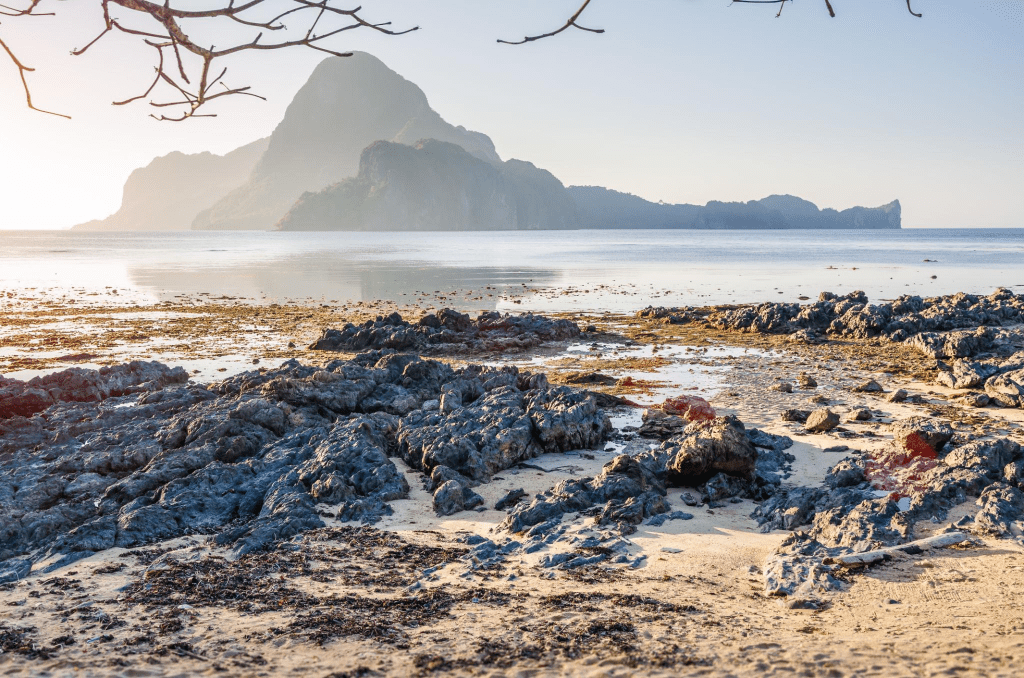
Source: Dreamstime – El Nido tourist destination in the western province of Palawan, Philippines; gateway to the Bacuit Archipelago.
The island’s rivers, mountains, and forests are not simply backdrops for adventure—they are the beating heart of the Earth’s story. And as that story unfolds, it asks every visitor and every Filipino to listen, to protect, and to remember that in saving Palawan, we are saving ourselves.
About the Author
Stephanie Lorenz Lim is a student writer whose work explores environmental conservation, ecological balance, and the relationship between communities and nature in the Philippines.
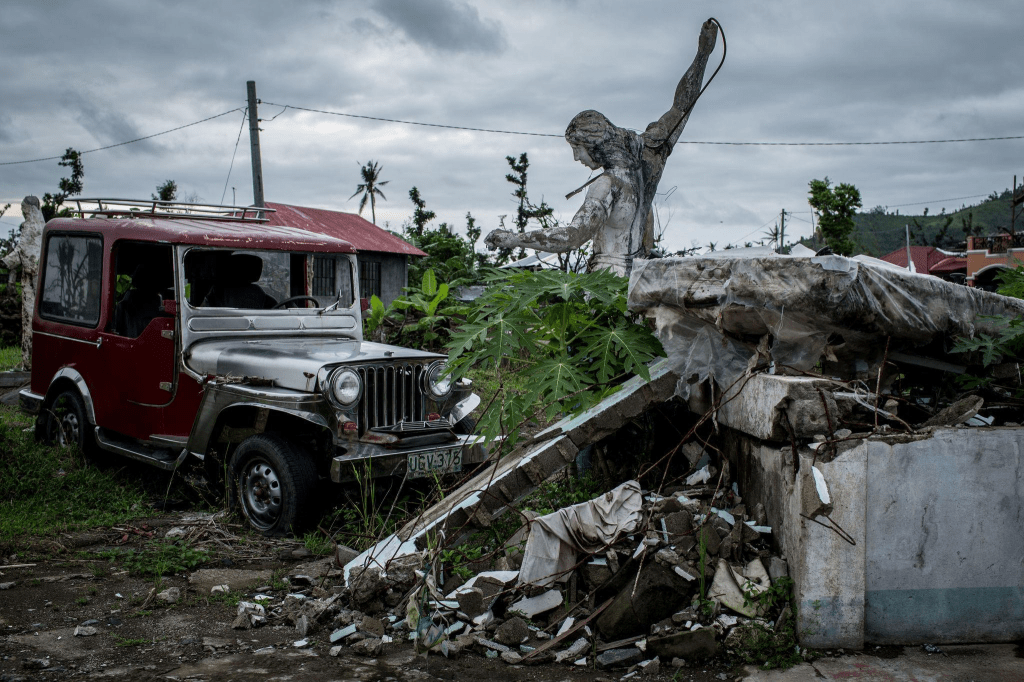


 FILIPINOS FOR NATURE